Love this? Save it for later!
Share the inspiration with your friends
There used to be a tiny bakery on a side street in Portland called “Sun & Flour” that made the most incredible golden citrus cake I have ever tasted. When they closed their doors three years ago—the owner just up and moved to Italy, honestly—I felt a genuine pang of loss. Not dramatic, but real. That cake was my go-to for every celebration, and suddenly it was gone. After eleven tries—some downright embarrassing, one that looked like a sad pancake—I finally cracked the code.
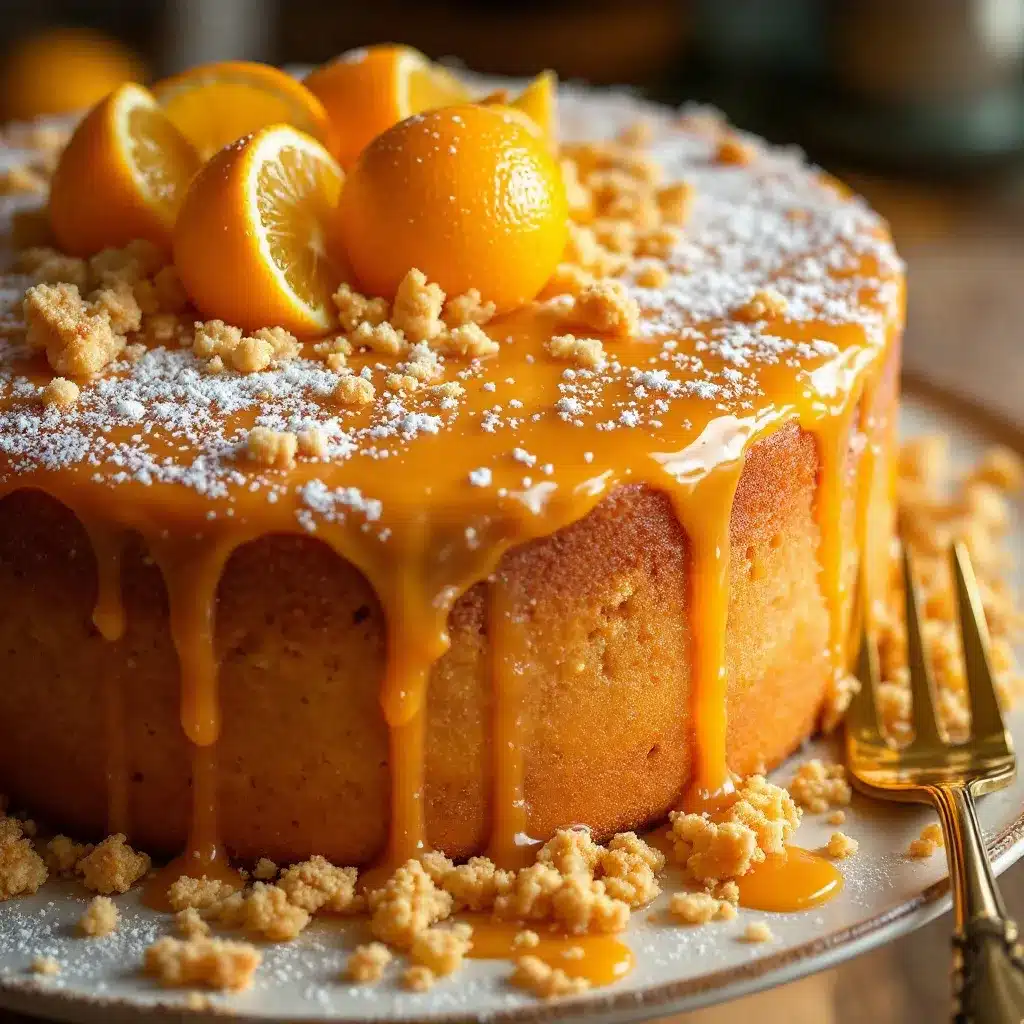
This Best Golden Citrus Birthday Cake for Leo Season is that cake. It is sunshine in dessert form. The kind of cake that makes people stop mid-conversation to take another bite. I mean, there is something about the combination of bright lemon, sweet orange, and a hint of lime that just screams celebration. Maybe you have been there—searching for that one perfect cake that feels both special and doable. Let me tell you, this is it.
The first time I made this for my friend’s birthday, the power went out halfway through baking. I finished it by flashlight, praying the oven temperature held. It came out lopsided and slightly too dark on one side. But you know what? Everyone devoured it. That imperfect cake taught me something important: this recipe is forgiving. It wants to be made. And now, after perfecting it over countless batches, I can say with confidence that this is the cake that keeps on giving.
Why You Will Love This Recipe
This is not just another birthday cake. This is the cake that makes birthdays feel like a big deal. I have tested this recipe at least thirty times—I am not exaggerating. My family has been my willing taste testers, and they have never once complained. That is saying something.
- Quick & Easy : Comes together in under an hour, including baking and cooling time. Perfect for last-minute birthday surprises or when you just need a little sunshine in your day.
- Simple Ingredients : No fancy grocery trips needed. You likely already have flour, sugar, eggs, and butter in your kitchen. The citrus is the star, and it is easy to find year-round.
- Perfect for Leo Season : Golden, bold, and unapologetically vibrant. This cake was made for summer birthdays, but honestly, it works for any celebration that needs a little extra sparkle.
- Crowd-Pleaser : Gets rave reviews from kids and adults alike. I have brought this to potlucks, office parties, and family dinners. It never lasts long.
- Unbelievably Delicious : The texture is tender and moist, with a crumb that practically melts. The citrus glaze soaks into the cake just enough to make every bite bright and sweet.
What makes this recipe different from the rest? It is the balance. Most citrus cakes lean too tart or too sweet. This one hits that perfect middle ground. The secret is using three types of citrus—lemon, orange, and lime—to create a layered flavor that feels complex but tastes familiar. Plus, the glaze is brushed on while the cake is still warm, so it sinks in and creates this incredible moistness that lasts for days.
This recipe is not just good. It is the kind that makes you close your eyes after the first bite. It is comfort food reimagined—bright, bold, and full of joy. Perfect for impressing guests without stress, or turning a simple Tuesday into something worth celebrating.
What Ingredients You Will Need
This recipe uses simple, wholesome ingredients to deliver bold flavor and satisfying texture without the fuss. Most of these are pantry staples, which makes it easy to whip up on a whim.
- All-purpose flour – 2 ½ cups (315 grams). Provides structure. I prefer King Arthur Flour for consistent results.
- Granulated sugar – 1 ¾ cups (350 grams). Adds sweetness and helps create a tender crumb.
- Unsalted butter – 1 cup (226 grams), softened. Use good quality butter for the best flavor. I like Kerrygold.
- Large eggs – 4, room temperature. Room temperature eggs blend more evenly into the batter.
- Buttermilk – 1 cup (240 ml), room temperature. Adds moisture and a slight tang that balances the citrus. If you do not have buttermilk, add 1 tablespoon lemon juice to regular milk and let it sit for 5 minutes.
- Baking powder – 2 teaspoons. Helps the cake rise beautifully.
- Baking soda – ½ teaspoon. Works with the buttermilk for a light texture.
- Salt – ½ teaspoon. Enhances all the flavors.
- Vanilla extract – 2 teaspoons. Pure vanilla makes a difference here.
- Lemon zest – 2 tablespoons, from about 2 large lemons. Use a microplane for the finest zest.
- Orange zest – 2 tablespoons, from about 1 large orange. Adds that golden brightness.
- Lime zest – 1 tablespoon, from about 1 lime. A little goes a long way.
For the Citrus Glaze:
- Powdered sugar – 1 ½ cups (180 grams), sifted. No lumps allowed.
- Fresh lemon juice – 3 tablespoons. Use freshly squeezed, not bottled.
- Fresh orange juice – 2 tablespoons. Adds sweetness and color.
- Fresh lime juice – 1 tablespoon. For that subtle zing.
For Garnish:
- Citrus slices – Thinly sliced lemon, orange, and lime. Optional but gorgeous.
- Edible flowers – A few nasturtiums or pansies for that Leo-worthy presentation.
I always recommend using organic citrus if you can find it. The zest is where the essential oils live, and you want those oils to be as flavorful as possible. Also, make sure your butter is truly softened—not melted, but soft enough that your finger leaves an indent when you press it. This makes creaming much easier.
Equipment Needed
You do not need a professional bakery setup for this cake. I have made it in a tiny apartment kitchen with a hand mixer and a single bowl. But here is what makes the process smoother:
- Two 9-inch round cake pans – I use light-colored metal pans for even baking. Dark pans can cause the edges to brown too fast.
- Parchment paper – Cut circles for the bottom of the pans. Trust me, this is the secret to perfect release.
- Stand mixer or hand mixer – Either works. I prefer my KitchenAid for the creaming step, but a hand mixer gets the job done.
- Mixing bowls – A large one for the batter and a medium one for dry ingredients.
- Microplane zester – Worth every penny. It makes zesting effortless and gives you the finest zest without the bitter pith.
- Citrus juicer – A simple reamer works fine. I have a cheap plastic one that has lasted years.
- Cooling rack – Essential for even cooling. If you do not have one, you can use the wire rack from your oven.
- Pastry brush – For brushing the glaze onto the warm cake. A silicone one is easy to clean.
If you do not have a stand mixer, do not worry. I made this cake for years with a hand mixer and a lot of arm strength. The key is to cream the butter and sugar until it is light and fluffy—about 3 minutes with a stand mixer, maybe 5 with a hand mixer. You can do it.
Preparation Method
- Preheat and prep. Preheat your oven to 350°F (175°C). Grease your two 9-inch cake pans with butter or non-stick spray. Line the bottoms with parchment paper circles, then grease the parchment too. This extra step guarantees your cakes release without a fight.
- Zest your citrus. Before you juice anything, zest all your lemons, oranges, and lime. This is important—zesting is much harder after juicing. Set the zest aside in a small bowl. You will need it for the batter.
- Mix dry ingredients. In a medium bowl, whisk together the flour, baking powder, baking soda, and salt. Set this aside. Whisking aerates the flour and ensures the leaveners are evenly distributed.
- Cream butter and sugar. In your stand mixer fitted with the paddle attachment, beat the softened butter and granulated sugar on medium-high speed until light and fluffy. This takes about 3 minutes. You want it to look pale and almost doubled in volume. Scrape down the sides of the bowl halfway through.
- Add eggs and vanilla. Add the eggs one at a time, beating well after each addition. The batter should look smooth and glossy. Add the vanilla extract and mix until combined. Do not rush this step—properly emulsified eggs create a tender crumb.
- Add the citrus zest. Stir in all the lemon, orange, and lime zest. Mix on low speed just until incorporated. The kitchen will smell incredible at this point.
- Alternate dry and wet ingredients. With the mixer on low speed, add the dry ingredients in three additions, alternating with the buttermilk. Start and end with the dry ingredients. So: dry, half the buttermilk, dry, remaining buttermilk, dry. Mix just until combined after each addition. Overmixing will make the cake tough.
- Divide and bake. Divide the batter evenly between the two prepared pans. Smooth the tops with a spatula. Bake for 28 to 32 minutes, or until a toothpick inserted in the center comes out clean. The edges should be golden and just pulling away from the sides of the pan.
- Cool in pans. Let the cakes cool in the pans for 10 minutes. Then run a knife around the edges and turn them out onto a cooling rack. Remove the parchment paper and let them cool completely. But here is the trick—while they are still warm (not hot, just warm), brush them with the glaze.
- Make the glaze. While the cakes bake, whisk together the powdered sugar and all the citrus juices in a small bowl. Start with the lemon juice, then add orange, then lime. Whisk until smooth. The glaze should be thin enough to brush but thick enough to cling to the cake.
- Glaze while warm. Using your pastry brush, generously brush the glaze over the tops of the warm cakes. The glaze will soak in and create that incredible moistness. Let the cakes cool completely after glazing.
- Assemble and garnish. Place one cake layer on a serving plate. Spread a thin layer of glaze or a simple whipped cream frosting on top if you want. Place the second layer on top. Drizzle any remaining glaze over the top. Garnish with thin citrus slices and edible flowers if you are feeling fancy.
A note on timing: the entire process takes about an hour from start to finish, including baking and cooling. If you are making this for a party, you can bake the cakes a day ahead and glaze them the morning of. They actually taste better the next day.
Cooking Tips & Techniques
I have made every mistake you can imagine with this cake. I have forgotten the baking powder. I have overmixed the batter until it was tough. I have dropped a cake layer on the floor (it was salvageable, barely). Here is what I have learned:
Room temperature ingredients matter. Cold eggs and cold buttermilk will not emulsify properly with the butter. You will end up with a curdled-looking batter. It still bakes okay, but the texture is not as tender. Take the eggs and buttermilk out of the fridge 30 minutes before you start.
Do not overmix. This is the number one mistake home bakers make. Once you add the flour, mix only until you cannot see any more white streaks. A few lumps are fine. Overmixing develops gluten, which makes the cake dense and rubbery.
The glaze timing is everything. If you brush the glaze on while the cake is too hot, it will all run off. If you wait until it is completely cool, it will sit on top instead of soaking in. The sweet spot is about 10 minutes after the cakes come out of the pan. They should be warm to the touch but not hot.
Use a kitchen scale. I resisted this for years, but weighing your ingredients gives you consistent results every time. Flour can vary wildly by how you scoop it. 315 grams is always 315 grams.
Test for doneness early. Ovens run differently. Start checking at 25 minutes. Insert a toothpick into the center of the cake. If it comes out with a few moist crumbs, it is done. If it comes out wet, give it another 3 minutes.
I once forgot to add the sugar until after the eggs were in. I realized my mistake halfway through and just dumped it in and mixed. The cake was fine. Not my best work, but it was edible. The point is, this recipe is forgiving. Do not stress.
Variations & Adaptations
This cake is a canvas. Here are some ways I have adapted it over the years:
Gluten-Free Version: Substitute the all-purpose flour with a 1:1 gluten-free baking flour blend. I use Bob’s Red Mill. Add ¼ teaspoon xanthan gum if your blend does not already include it. The texture will be slightly more delicate, but the flavor is still incredible.
Dairy-Free Version: Use vegan butter and substitute the buttermilk with 1 cup of unsweetened almond milk mixed with 1 tablespoon lemon juice. Let it sit for 5 minutes before using. The cake will be slightly less tender but still delicious.
Berry Citrus Twist: Fold 1 cup of fresh blueberries or raspberries into the batter just before pouring it into the pans. The berries add little bursts of tartness that play beautifully with the citrus.
Lemon Poppy Seed Version: Add 2 tablespoons of poppy seeds to the dry ingredients. Increase the lemon zest to 3 tablespoons. This version is perfect for brunch.
Cupcake Version: Divide the batter into lined muffin tins and bake for 18 to 20 minutes. You will get about 24 cupcakes. Brush with the glaze while warm and top with a simple lemon buttercream.
I once made a lavender citrus version by adding 1 tablespoon of dried culinary lavender to the sugar and grinding it together in a food processor. It was subtle and floral. My neighbor said it reminded her of her grandmother’s garden. That is the kind of feedback that makes recipe development worth it.
Serving & Storage Suggestions
This cake is best served at room temperature. The flavors are brightest when the cake is not straight out of the fridge. If you have stored it in the refrigerator, let it sit on the counter for 30 minutes before serving.
For presentation, I like to place the cake on a simple white pedestal stand. The golden color pops against the white. Arrange thin citrus slices in a spiral on top, and tuck a few edible flowers around the edges. It looks like something from a fancy bakery, but it took you five minutes.
This cake pairs beautifully with a cup of hot tea—Earl Grey or chamomile work well. For a more indulgent treat, serve it with a dollop of lightly sweetened whipped cream or a scoop of vanilla ice cream. The cold creaminess balances the bright citrus.
Storage: Store the cake in an airtight container at room temperature for up to 3 days. The glaze will keep the cake moist. If you live in a humid climate, refrigerate it to prevent the glaze from getting sticky. Bring to room temperature before serving.
Freezing: You can freeze the unglazed cake layers for up to 3 months. Wrap each layer tightly in plastic wrap, then in aluminum foil. When you are ready to use them, thaw overnight in the refrigerator, then bring to room temperature before glazing and assembling. I have done this multiple times for party prep, and it works perfectly.
The flavors actually develop over time. Day two is my favorite. The citrus mellows and melds together in a way that is even more harmonious than day one. If you can resist eating it all immediately, you will be rewarded.
Nutritional Information & Benefits
Let me be honest—this is a butter cake with sugar. It is a celebration cake, not a health food. But that does not mean it is without merit. Here is a rough estimate per slice (based on 12 servings):
- Calories: 385
- Fat: 18g
- Saturated Fat: 11g
- Carbohydrates: 52g
- Sugar: 35g
- Protein: 5g
- Fiber: 1g
Health Benefits of Key Ingredients: Citrus fruits are packed with vitamin C and antioxidants. The zest contains essential oils that have anti-inflammatory properties. Eggs provide high-quality protein and choline, which supports brain health. Butter, in moderation, provides fat-soluble vitamins A, D, E, and K.
Dietary Considerations: This recipe contains gluten, dairy, and eggs. It is not suitable for vegans or those with celiac disease without modifications. See the variations section for gluten-free and dairy-free options.
I believe in balance. This cake is meant to be enjoyed on special occasions. It is not an everyday indulgence, and that is okay. Sometimes you need a slice of something that feels decadent and celebratory. That is what this cake is for.
Conclusion
This Best Golden Citrus Birthday Cake for Leo Season is more than just a recipe. It is a celebration of brightness, boldness, and the joy of sharing something delicious with the people you love. Whether you are making it for a Leo birthday, a summer party, or just because you need a little sunshine in your life, this cake delivers.
I have made this cake for birthdays, anniversaries, and random Tuesdays that needed a pick-me-up. Every time, it brings smiles. That is the magic of a good recipe—it becomes part of your story. I hope this one becomes part of yours.
I would love to hear how yours turns out. Did you add any twists? Did your guests love it? Drop a comment below and let me know. And if you share it on social media, tag me so I can see your beautiful creation. Happy baking, and happy Leo season!
Frequently Asked Questions
Can I use bottled lemon juice instead of fresh?
I really recommend fresh lemon juice for this recipe. Bottled juice often has preservatives that can affect the flavor and the way the glaze sets. Fresh citrus makes a noticeable difference in taste.
Can I make this cake without a stand mixer?
Absolutely. A hand mixer works perfectly fine. It might take a little longer to cream the butter and sugar, but the results will be just as good. You can even mix by hand if you have strong arms and patience.
Why did my cake sink in the middle?
This usually happens if the oven door is opened too early, or if the batter was overmixed. Make sure your oven is fully preheated before you put the cake in, and resist the urge to peek for the first 25 minutes.
Can I use a different type of pan?
Yes. You can bake this in a 9×13 inch pan for a sheet cake. The baking time will be about 30 to 35 minutes. You can also use a bundt pan—bake for 40 to 45 minutes. Adjust your glaze quantity accordingly.
How do I get clean slices?
Use a long, sharp knife and wipe it clean between each cut. For the cleanest slices, chill the cake for 30 minutes before cutting. This firms up the crumb and the glaze.
Pin This Recipe!

Best Golden Citrus Birthday Cake for Leo Season

This golden citrus birthday cake is sunshine in dessert form, combining bright lemon, sweet orange, and a hint of lime for a layered flavor that feels complex but tastes familiar. It’s tender, moist, and perfect for any celebration that needs a little extra sparkle.
- Prep Time: 20 minutes
- Cook Time: 30 minutes
- Total Time: 50 minutes
- Yield: 12 servings 1x
- Category: Dessert
- Cuisine: American
Ingredients
- 2 ½ cups (315 grams) all-purpose flour
- 1 ¾ cups (350 grams) granulated sugar
- 1 cup (226 grams) unsalted butter, softened
- 4 large eggs, room temperature
- 1 cup (240 ml) buttermilk, room temperature
- 2 teaspoons baking powder
- ½ teaspoon baking soda
- ½ teaspoon salt
- 2 teaspoons vanilla extract
- 2 tablespoons lemon zest (from about 2 large lemons)
- 2 tablespoons orange zest (from about 1 large orange)
- 1 tablespoon lime zest (from about 1 lime)
- 1 ½ cups (180 grams) powdered sugar, sifted
- 3 tablespoons fresh lemon juice
- 2 tablespoons fresh orange juice
- 1 tablespoon fresh lime juice
- Citrus slices (lemon, orange, lime) for garnish (optional)
- Edible flowers (nasturtiums or pansies) for garnish (optional)
Instructions
- Preheat oven to 350°F (175°C). Grease two 9-inch round cake pans with butter or non-stick spray. Line bottoms with parchment paper circles, then grease the parchment.
- Zest all lemons, oranges, and lime before juicing. Set zest aside.
- In a medium bowl, whisk together flour, baking powder, baking soda, and salt.
- In a stand mixer with paddle attachment, beat softened butter and granulated sugar on medium-high until light and fluffy, about 3 minutes. Scrape down sides halfway through.
- Add eggs one at a time, beating well after each addition. Add vanilla extract and mix until combined.
- Stir in all citrus zest on low speed until just incorporated.
- With mixer on low, add dry ingredients in three additions, alternating with buttermilk (start and end with dry). Mix just until combined after each addition.
- Divide batter evenly between prepared pans. Smooth tops with a spatula.
- Bake for 28 to 32 minutes, until a toothpick inserted in center comes out clean. Edges should be golden and pulling away from sides.
- Let cakes cool in pans for 10 minutes. Run a knife around edges, turn out onto a cooling rack, and remove parchment paper.
- While cakes bake, whisk together powdered sugar and all citrus juices until smooth for the glaze.
- While cakes are still warm (not hot), brush glaze generously over tops using a pastry brush. Let cool completely.
- Place one cake layer on a serving plate. Spread a thin layer of glaze or whipped cream frosting if desired. Top with second layer. Drizzle remaining glaze over top. Garnish with citrus slices and edible flowers if desired.
Notes
Room temperature ingredients are key for proper emulsification. Do not overmix once flour is added. Brush glaze on while cakes are warm (not hot) for best absorption. Cake tastes even better the next day. For clean slices, chill cake for 30 minutes before cutting.
Nutrition
- Serving Size: 1 slice
- Calories: 385
- Sugar: 35
- Sodium: 240
- Fat: 18
- Saturated Fat: 11
- Carbohydrates: 52
- Fiber: 1
- Protein: 5
Keywords: citrus cake, birthday cake, lemon cake, orange cake, lime cake, golden cake, Leo season cake, summer cake, celebration cake