Love this? Save it for later!
Share the inspiration with your friends
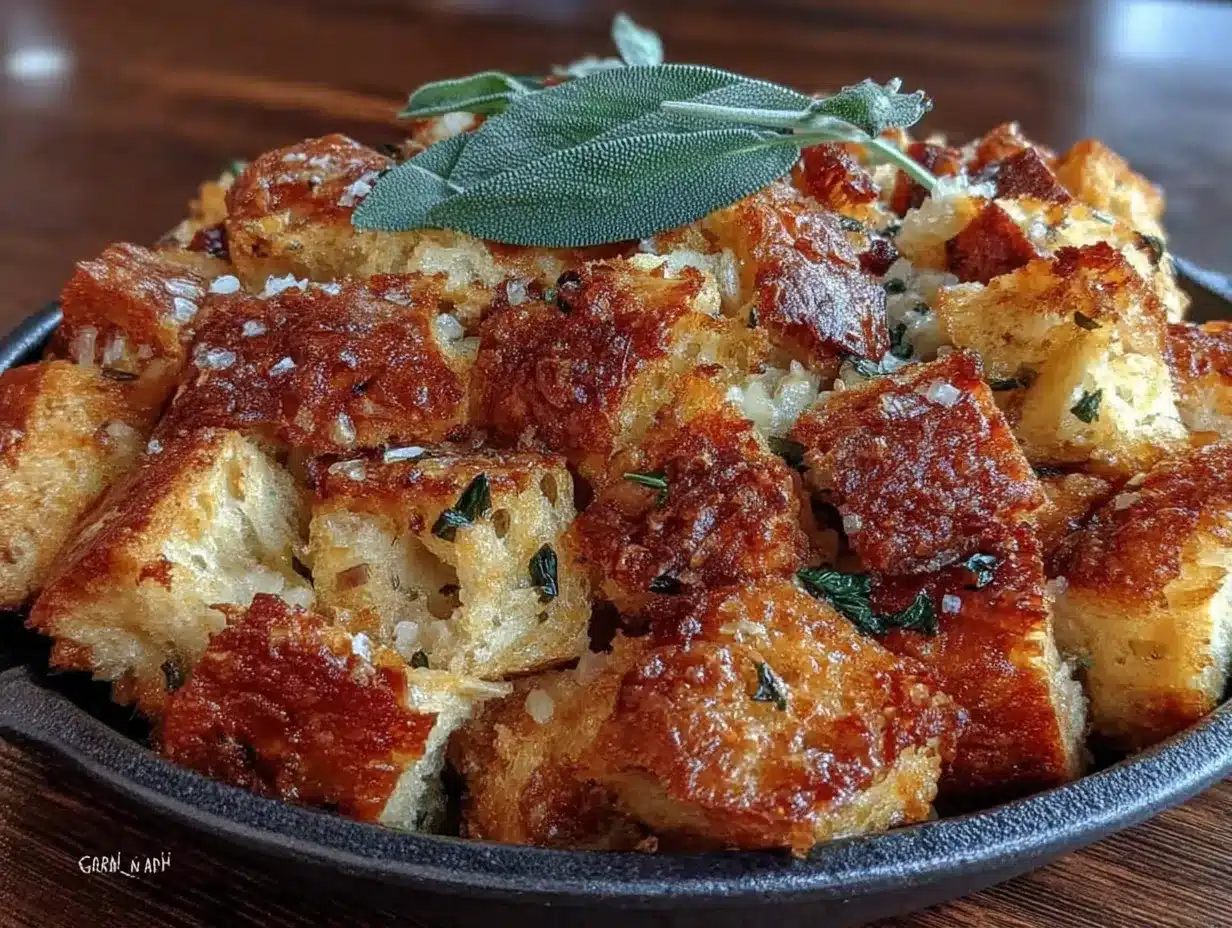
Let me tell you, this isn’t your average stuffing. This brown butter sage sourdough stuffing is the kind of dish that makes people pause mid-conversation to ask, “Wait, what’s in this?” It’s got this nutty, rich depth from the brown butter, the earthy warmth of fresh sage, and those perfect chewy-yet-crispy edges from the sourdough. Honestly, I’ve had people who swore they didn’t like stuffing go back for thirds.
- Next-Level Flavor, Simple Ingredients: The magic happens when you brown the butter. It takes maybe 5 extra minutes but transforms the whole dish into something deeply savory and almost caramel-like. You’re still using pantry staples, but it tastes like you spent hours.
- Perfect Texture Every Time: Sourdough is the hero here. It’s sturdy enough to soak up all that buttery, herby goodness without turning into a mushy mess. You get those gorgeous crispy bits on top and a tender, custardy center.
- Your New Holiday Star: This stuffing is made for the Thanksgiving table, but honestly, I make it for cozy Sunday dinners all winter long. It’s the side dish that steals the show.
- Crowd-Pleaser (Even for Picky Eaters): My nephew, who lives on chicken nuggets, asked for the recipe. That’s the kind of power we’re talking about here.
- Make-Ahead Magic: You can assemble it the day before and just pop it in the oven when you’re ready. Less stress, more time with your people.
This recipe is different because it focuses on technique over a million ingredients. Browning the butter and toasting the sourdough gives you layers of flavor you just don’t get from a box. It’s comfort food that feels a little bit fancy but is surprisingly easy to pull off.
What Ingredients You Will Need
This recipe uses simple, wholesome ingredients that work together to create something truly special. Most of these are probably already in your kitchen, which is the best kind of recipe, right?
For the Stuffing Base
- 1 large loaf (about 1 lb) sourdough bread, cut into 1-inch cubes: Day-old or slightly stale bread works best. It absorbs the liquid without falling apart. If your bread is fresh, just spread the cubes on a baking sheet and toast them in a 300°F oven for 10-15 minutes.
- 1/2 cup (1 stick) unsalted butter: Don’t skimp here. The butter is what we’re browning, and that’s where the magic happens. I prefer Kerrygold or Plugrà for their higher fat content, which browns more evenly.
- 1 large yellow onion, diced (about 1 1/2 cups): Yellow onion gives a nice, mellow sweetness when cooked. You could use a sweet onion if that’s what you have.
- 3 celery ribs, diced (about 1 cup): Celery adds that classic stuffing crunch and freshness. Make sure to dice it small so it cooks evenly.
- 4 cloves garlic, minced: Because garlic makes everything better.
- 1/4 cup fresh sage leaves, roughly chopped: Fresh sage is non-negotiable here. Dried sage just doesn’t have the same bright, peppery flavor. Rub the leaves between your fingers before chopping to release the oils.
- 2 teaspoons fresh thyme leaves: Thyme adds a subtle earthiness that pairs beautifully with the sage.
- 1 teaspoon kosher salt: I use Diamond Crystal. If you’re using table salt, use about half that amount.
- 1/2 teaspoon black pepper: Freshly ground is always better.
- 2 1/2 cups low-sodium chicken or vegetable broth: Low-sodium is key so you can control the salt level. Homemade broth is amazing here, but a good store-bought brand works fine.
- 2 large eggs, lightly beaten: The eggs are the binder that holds everything together and gives the stuffing that custardy texture.
For the Topping (Optional but Highly Recommended)
- 2 tablespoons unsalted butter, melted: For brushing the top before baking.
- Extra fresh sage leaves for garnish: Just a few pretty leaves on top before it goes in the oven.
Equipment Needed
You don’t need a ton of fancy tools for this one, which I love. Here’s what you’ll need:
- Large skillet or sauté pan: A 12-inch skillet is perfect for browning the butter and cooking the vegetables. I use my trusty cast-iron skillet for everything.
- Large mixing bowl: Big enough to fit all the bread cubes and veggie mixture without spilling everywhere.
- 9×13-inch baking dish: This is the standard size for a good amount of stuffing. You could also use a 3-quart casserole dish.
- Whisk: For beating the eggs and mixing the broth.
- Wooden spoon or spatula: For stirring the butter as it browns.
- Sharp knife and cutting board: For dicing the onion, celery, and chopping the herbs.
Preparation Method
Alright, let’s get to it. This brown butter sage sourdough stuffing comes together in a few simple steps. Trust the process—it’s worth it.
- Preheat your oven to 375°F (190°C). If you haven’t already, spread your sourdough cubes on a large baking sheet and toast them for 10-12 minutes, until they’re just starting to dry out and get slightly crisp. Set them aside to cool. This step is crucial—it prevents the bread from turning to mush.
- Brown the butter. In your large skillet, melt the 1/2 cup of butter over medium heat. Once it’s melted, keep cooking it, swirling the pan occasionally. You’ll see it start to foam, then the foam will subside, and little brown specks will appear at the bottom. This takes about 5-7 minutes. Watch it carefully—it can go from perfect to burnt in seconds. When it smells nutty and toasty and the specks are a warm amber color, it’s done. Immediately pour it into a heat-safe bowl to stop the cooking process. Don’t scrape the bottom of the pan clean; leave a little butter in the skillet for the next step.
- Cook the vegetables. Return the skillet to medium heat. Add the diced onion and celery to the residual butter in the pan. Cook for 6-8 minutes, stirring occasionally, until they’re softened and translucent. Add the minced garlic and cook for another minute until fragrant. The smell at this point is incredible.
- Combine the herbs and seasoning. Add the chopped sage and fresh thyme to the skillet with the vegetables. Stir in the salt and pepper. Cook for just 30 seconds to wake up the flavors of the herbs. Remove the pan from the heat.
- Mix the wet ingredients. In a small bowl or liquid measuring cup, whisk together the chicken broth and the beaten eggs. Make sure the eggs are fully incorporated into the broth.
- Assemble the stuffing. In your large mixing bowl, combine the toasted sourdough cubes and the cooked vegetable-herb mixture. Pour the reserved brown butter over the top. Toss everything gently with your hands or a large spoon until the bread is evenly coated with the butter and vegetables.
- Add the liquid. Slowly pour the broth and egg mixture over the bread mixture, gently folding as you go. You want all the bread cubes to be moistened, but not swimming in liquid. Let it sit for 5 minutes so the bread can absorb the liquid. If it looks dry, add a splash more broth.
- Transfer to the baking dish. Grease your 9×13-inch baking dish with a little butter or non-stick spray. Spoon the stuffing mixture into the dish and spread it into an even layer. If you’re using the optional topping, brush the top with the 2 tablespoons of melted butter and arrange a few extra sage leaves on top.
- Bake to perfection. Bake the stuffing uncovered for 35-45 minutes, until the top is golden brown and crispy, and the center is set. If you like it extra crispy on top, you can broil it for the last 1-2 minutes, but watch it like a hawk!
- Rest before serving. Let the stuffing sit for about 10 minutes after it comes out of the oven. This helps it set up so it doesn’t fall apart when you scoop it. Trust me on this one—I’ve learned the hard way.
Cooking Tips & Techniques
I’ve made this brown butter sage sourdough stuffing more times than I can count, and I’ve definitely learned a few things along the way. Here are my best tips to make sure yours turns out perfect every time.
The Art of Browning Butter
Don’t walk away from the butter. I know it sounds dramatic, but the window between “perfectly browned” and “tragically burnt” is about 30 seconds. Use a light-colored pan if you have one so you can actually see the color change. And when you pour it out, get every last one of those brown bits—that’s where all the flavor lives.
Don’t Skip Toasting the Bread
I know it’s an extra step, but it’s a non-negotiable one. Fresh, soft bread will absorb the liquid and turn into a gluey paste. Toasting the cubes dries them out so they can soak up the broth and egg mixture while keeping their structure. You want that contrast between the crispy top and the tender inside.
Season as You Go
Don’t just dump all the salt in at the end. Season the vegetables as they cook, season the broth mixture, and taste the bread mixture before it goes in the oven. Layers of seasoning build a more complex flavor profile.
My Biggest Failure (So You Don’t Have To)
Last Thanksgiving, I was rushing and forgot to let the stuffing rest after baking. I was so excited to get it on the table that I dug right in. It fell apart into a soupy mess. It still tasted amazing, but it looked like a casserole that had been through a blender. Now I set a timer for 10 minutes and walk away. It’s the hardest part of the whole recipe, honestly.
Variations & Adaptations
One of the best things about this brown butter sage sourdough stuffing is how easy it is to make it your own. Here are some of my favorite variations.
Add Some Meat
Cook 1/2 pound of sweet Italian sausage or thick-cut bacon until crispy, then crumble it and add it to the bread mixture along with the vegetables. It adds a smoky, savory depth that’s absolutely incredible.
Make it Vegetarian (or Vegan)
Use vegetable broth instead of chicken broth. For a vegan version, substitute the butter with a high-quality vegan butter (I like Miyoko’s) and use a flax egg (1 tablespoon ground flaxseed mixed with 3 tablespoons water) instead of the beaten egg. The texture will be slightly different, but still delicious.
Add Some Fruit and Nuts
Stir in 1/2 cup of dried cranberries or chopped dried apricots and 1/2 cup of toasted pecans or walnuts along with the herbs. The sweetness of the fruit and the crunch of the nuts add wonderful texture and flavor.
Switch Up the Herbs
Not a fan of sage? No problem. Use a combination of fresh rosemary, thyme, and parsley instead. Or try adding a tablespoon of fresh chopped marjoram for a slightly different earthy note.
Serving & Storage Suggestions
This brown butter sage sourdough stuffing is best served warm, straight out of the oven. Spoon it onto plates alongside your favorite roasted turkey or chicken, or serve it as a hearty side dish with a big green salad.
Storage: Leftover stuffing will keep in an airtight container in the refrigerator for up to 4 days. The flavors actually meld together even more overnight, so it’s even better the next day.
Reheating: The best way to reheat it is in the oven. Spread the leftover stuffing in a baking dish, add a splash of broth or water to keep it from drying out, cover with foil, and bake at 350°F for 15-20 minutes. Uncover for the last 5 minutes to re-crisp the top. You can also microwave individual portions, but the texture won’t be as good.
Freezing: You can freeze the unbaked stuffing for up to 3 months. Assemble it in the baking dish, cover tightly with plastic wrap and foil, and freeze. To bake, thaw it overnight in the refrigerator, then bake as directed, adding about 10-15 minutes to the cooking time since you’re starting from cold.
Nutritional Information & Benefits
Let’s be real—this is comfort food, and it’s meant to be enjoyed. But there are some redeeming qualities here.
- Estimated per serving (1/8 of recipe): Calories: 320, Fat: 18g, Carbohydrates: 32g, Protein: 8g, Fiber: 2g.
- Sourdough is easier to digest: The fermentation process breaks down some of the gluten and phytic acid, making it gentler on your stomach.
- Sage is a powerhouse herb: It’s packed with antioxidants and has been shown to have anti-inflammatory properties. Plus, it smells amazing.
- Celery and onion add fiber and vitamins: They’re not just for flavor—they contribute a bit of nutrition to this indulgent dish.
If you’re watching your sodium, use low-sodium broth and go easy on the added salt. You can also swap in whole wheat sourdough for a little extra fiber.
Conclusion
This brown butter sage sourdough stuffing is the kind of recipe that becomes a tradition. It’s the dish people ask for by name, the one that disappears from the table first, the one that makes you feel like a kitchen rockstar even though it’s surprisingly simple to make. The nutty brown butter, the fragrant sage, the perfect texture of the sourdough—it all comes together in a way that’s just… right.
I’d love to hear how yours turns out! Did you add sausage? Go the vegan route? Forget to let it rest and end up with a delicious mess like I did? Drop a comment below and let me know. And if you share a photo on Pinterest, tag me so I can see your beautiful creation. Happy cooking, friend.
Frequently Asked Questions
Can I use dried sage instead of fresh?
You can, but I really recommend fresh sage for this recipe. Dried sage has a much more muted, almost musty flavor. If you have to use dried, use about 1 tablespoon and add it to the vegetables with the salt and pepper.
Do I have to use sourdough bread?
Sourdough is my top choice because of its sturdy texture and tangy flavor that stands up to the brown butter. But you can use any good-quality, rustic bread like ciabatta or a French boule. Just avoid soft sandwich bread—it will turn to mush.
Can I make this stuffing ahead of time?
Absolutely! Assemble the stuffing in the baking dish, cover it, and refrigerate for up to 24 hours. When you’re ready to bake, let it sit on the counter for 30 minutes to take the chill off, then bake as directed. You may need to add 5-10 minutes to the baking time.
Why did my stuffing turn out dry?
This usually happens if the bread was too dry to begin with, or if you didn’t use enough liquid. Make sure your bread cubes are just lightly toasted, not bone-dry. And don’t be shy with the broth mixture—the bread should look well-moistened before it goes in the oven.
Can I cook this stuffing inside a turkey?
I don’t recommend it for food safety reasons. The stuffing needs to reach 165°F to be safe, and by the time the stuffing hits that temperature, the turkey breast is often overcooked and dry. Baking it separately gives you better control and a crispier top.
Pin This Recipe!

Easy Brown Butter Sage Sourdough Stuffing Recipe

This brown butter sage sourdough stuffing is the kind of dish that makes people pause mid-conversation to ask, ‘Wait, what’s in this?’ It’s got a nutty, rich depth from the brown butter, the earthy warmth of fresh sage, and perfect chewy-yet-crispy edges from the sourdough.
- Prep Time: 20 minutes
- Cook Time: 45 minutes
- Total Time: 1 hour 5 minutes
- Yield: 8 servings 1x
- Category: Side Dish
- Cuisine: American
Ingredients
- 1 large loaf (about 1 lb) sourdough bread, cut into 1-inch cubes
- 1/2 cup (1 stick) unsalted butter
- 1 large yellow onion, diced (about 1 1/2 cups)
- 3 celery ribs, diced (about 1 cup)
- 4 cloves garlic, minced
- 1/4 cup fresh sage leaves, roughly chopped
- 2 teaspoons fresh thyme leaves
- 1 teaspoon kosher salt
- 1/2 teaspoon black pepper
- 2 1/2 cups low-sodium chicken or vegetable broth
- 2 large eggs, lightly beaten
- 2 tablespoons unsalted butter, melted (for topping, optional)
- Extra fresh sage leaves for garnish (optional)
Instructions
- Preheat your oven to 375°F (190°C). Spread sourdough cubes on a large baking sheet and toast for 10-12 minutes until just starting to dry out and get slightly crisp. Set aside to cool.
- In a large skillet, melt 1/2 cup butter over medium heat. Continue cooking, swirling occasionally, until it foams, the foam subsides, and brown specks appear (about 5-7 minutes). When it smells nutty and the specks are warm amber, immediately pour into a heat-safe bowl. Leave a little butter in the skillet.
- Return the skillet to medium heat. Add diced onion and celery to the residual butter. Cook for 6-8 minutes until softened and translucent. Add minced garlic and cook for 1 minute until fragrant.
- Add chopped sage and fresh thyme to the skillet. Stir in salt and pepper. Cook for 30 seconds. Remove from heat.
- In a small bowl, whisk together chicken broth and beaten eggs until fully incorporated.
- In a large mixing bowl, combine toasted sourdough cubes and cooked vegetable-herb mixture. Pour reserved brown butter over the top. Toss gently until bread is evenly coated.
- Slowly pour the broth and egg mixture over the bread mixture, gently folding as you go. Let sit for 5 minutes so the bread can absorb the liquid. If it looks dry, add a splash more broth.
- Grease a 9×13-inch baking dish with butter or non-stick spray. Spoon the stuffing mixture into the dish and spread into an even layer. If using optional topping, brush top with 2 tablespoons melted butter and arrange extra sage leaves on top.
- Bake uncovered for 35-45 minutes until the top is golden brown and crispy and the center is set. For extra crispiness, broil for the last 1-2 minutes.
- Let the stuffing rest for 10 minutes before serving.
Notes
Don’t skip toasting the bread—it prevents mushiness. Watch the butter carefully when browning; it can burn in seconds. Let the stuffing rest after baking to set up properly. For make-ahead, assemble in the dish, cover, and refrigerate up to 24 hours; let sit at room temperature 30 minutes before baking, adding 5-10 minutes to bake time.
Nutrition
- Serving Size: 1/8 of recipe
- Calories: 320
- Sugar: 3
- Sodium: 480
- Fat: 18
- Saturated Fat: 10
- Carbohydrates: 32
- Fiber: 2
- Protein: 8
Keywords: brown butter, sage, sourdough, stuffing, Thanksgiving, holiday, side dish, easy