Love this? Save it for later!
Share the inspiration with your friends
I wasn’t expecting cooking advice from the quiet guy who fixes our office printer, but there I was, waiting for him to finish up so I could get back to work, listening to him describe exactly how to make the most perfect mini meatloaf I’d ever heard of. It was a Tuesday, I think. He had this old, beat-up lunchbox and was telling the receptionist about dinner the night before. Honestly, I was half-listening until he said the words “brown sugar glaze.” That got my attention. He wasn’t a chef or anything, just a guy who liked to cook for his wife on weeknights. He said the secret wasn’t the meat, but the sticky, sweet, almost-caramelized top that made the whole apartment smell like a hug. I scribbled his method on a sticky note that’s still stuck to my fridge, a little faded and splattered with grease. It’s become my go-to, and let me tell you, it’s the kind of meal that makes you feel like you’ve got your life together, even if you’re eating it off a tray table watching reruns.
This Cozy Brown Sugar Glazed Mini Meatloaf for Two is exactly what it sounds like—a small, intimate portion of pure comfort, scaled down so there are no leftovers to deal with (unless you want them, which you will). It’s tender, juicy, and topped with a sweet and tangy glaze that gets all bubbly and sticky in the oven. The first time I made it, I forgot to set a timer and the glaze got a little too dark on the edges, but you know what? It was still the best meatloaf I’d ever made. It had that perfectly imperfect, home-cooked charm that you just can’t get from a recipe that’s too polished. Maybe you’ve been there, staring at a recipe meant for a crowd and wondering why no one ever writes them for just two people. This one is for those nights. It’s for the quiet, cozy dinners where the food feels like a warm blanket.
This recipe has stayed with me because it’s more than just a meal; it’s a small ritual. There’s something special about making a dish that’s just for you and one other person (or just for you, no judgment here). It feels intentional, like you’re saying “this moment matters.” The printer guy was right. The glaze is the star, but the whole thing comes together in a way that feels both simple and special. I keep making it because it’s the kind of weeknight win that makes you feel like you’ve got a little secret—a recipe that’s too good not to share, but you kind of want to keep it to yourself.
Why You’ll Love This Recipe
Let’s be real—most meatloaf recipes are designed to feed a small army. This one is different. It’s built for two, which means no sad, dried-out leftovers lurking in the fridge for a week. It’s the perfect solution for a cozy date night, a quiet evening in, or when you just want a little comfort without the commitment of a giant loaf. Here’s why it’s going to become your new favorite:
- Quick & Easy: From start to finish, this comes together in under 45 minutes. The prep is just 10 minutes, and then the oven does the rest. Perfect for those nights when you want something homemade but don’t want to spend all evening in the kitchen.
- Simple Ingredients: You probably have most of these in your pantry and fridge right now. No fancy grocery trips needed—just ground beef, a few pantry staples, and some brown sugar for that signature glaze.
- Perfect for a Cozy Night In: This is the ultimate comfort food for two. It’s great for a romantic dinner, a quiet weeknight meal with your partner, or even just treating yourself to something special. It feels fancy without being fussy.
- Crowd-Pleaser (for a Small Crowd): Even if you’re just cooking for two, this recipe is a guaranteed hit. The sweet and savory flavor profile is universally loved, and the individual portions make it feel special.
- Unbelievably Delicious: The texture is incredibly tender and moist, thanks to a little trick I learned from that printer guy (more on that below). And that glaze? It’s the perfect balance of sweet, tangy, and sticky. It’s next-level comfort food that will have you scraping the pan for every last bit.
What makes this recipe different from the rest is the technique. Instead of just mixing everything together and hoping for the best, we’re using a “panade”—a paste of breadcrumbs and milk—that keeps the meatloaf incredibly moist and tender. It’s a simple step that makes a world of difference. Plus, the glaze isn’t just brushed on at the end; it’s applied halfway through cooking so it has time to caramelize and create that beautiful, sticky crust. This isn’t just another meatloaf recipe—it’s your new best version.
This recipe isn’t just good—it is the kind that makes you close your eyes after the first bite. It’s comfort food reimagined—smaller, more intimate, but with the same soul-soothing satisfaction. Perfect for impressing a date without stress, or turning a simple Tuesday night into something memorable. Honestly, it’s the kind of meal that makes you want to light a candle and put on some music, even if you’re just eating in your sweatpants.
What Ingredients You Will Need
This recipe uses simple, wholesome ingredients that work together to create something truly special. Most of these are pantry staples, which makes this an easy last-minute dinner option. Let’s break down what you’ll need and why each ingredient matters.
- For the Meatloaf:
- 1 lb (450g) ground beef (80/20 or 85/15): The fat content is key here. 80/20 (80% lean, 20% fat) gives you the juiciest, most flavorful meatloaf. Don’t go leaner than 85/15, or you risk a dry loaf. I prefer ground chuck for its great flavor-to-fat ratio.
- 1/2 cup (60g) plain breadcrumbs: These act as a binder and help absorb moisture. You can use panko for a slightly lighter texture, or even crushed crackers in a pinch. For a gluten-free option, use certified gluten-free breadcrumbs or almond flour.
- 1/4 cup (60ml) whole milk: This is what creates the panade. The milk softens the breadcrumbs, keeping the meatloaf tender and preventing it from becoming dense or tough. You can use 2% or even oat milk, but whole milk gives the best results.
- 1 large egg, lightly beaten: The egg acts as another binder, holding everything together. Make sure it’s at room temperature so it mixes in evenly.
- 1/2 medium yellow onion, finely diced (about 1/2 cup): Onion adds moisture and a subtle sweetness. Sautéing it first is a game-changer—it softens the onion and releases its natural sugars, preventing any harsh, raw onion flavor. I learned this the hard way after a few batches with crunchy onion bits.
- 2 cloves garlic, minced: Fresh garlic is non-negotiable here. It adds a warm, aromatic depth that powder just can’t replicate.
- 1 tablespoon (15ml) Worcestershire sauce: This adds umami and a tangy depth that makes the meatloaf taste like it’s been simmering all day. Lea & Perrins is my go-to brand.
- 1 tablespoon (15g) ketchup: A little ketchup in the mix adds sweetness and helps with browning.
- 1 teaspoon (5g) kosher salt: Essential for seasoning. If using table salt, reduce to 3/4 teaspoon.
- 1/2 teaspoon (2g) black pepper: Freshly ground is best for that slight kick.
- 1/2 teaspoon (1g) dried thyme: This adds a subtle, earthy note that pairs beautifully with the beef. You can substitute with dried oregano or rosemary.
- For the Brown Sugar Glaze:
- 1/3 cup (70g) packed light brown sugar: The star of the show. Light brown sugar gives a milder caramel flavor, but dark brown sugar will work for a deeper, more molasses-rich taste.
- 2 tablespoons (30ml) ketchup: This provides the tangy base for the glaze.
- 1 tablespoon (15ml) apple cider vinegar: This cuts through the sweetness and adds a bright, acidic note that balances the glaze perfectly. White vinegar or even a squeeze of lemon juice works in a pinch.
- 1/2 teaspoon (2g) Dijon mustard: A tiny bit of mustard adds a subtle heat and complexity. Yellow mustard is fine too, but Dijon is smoother.
Ingredient Selection Tips: For the best texture, look for ground beef that’s not too tightly packed. If you can, ask your butcher to grind it fresh. For the onion, a yellow or sweet onion is ideal. Red onion can be a bit too sharp. And for the brown sugar, make sure it’s packed firmly into the measuring cup for the right sweetness level.
Substitution Guidance: If you’re out of breadcrumbs, you can use crushed saltines or even rolled oats (about 1/2 cup). For a dairy-free version, use unsweetened almond milk or oat milk in the panade. And if you don’t have Worcestershire sauce, a splash of soy sauce or balsamic vinegar can add a similar depth of flavor.
Equipment Needed
You don’t need a lot of fancy gear for this recipe, which is part of its charm. Here’s what you’ll need to get that perfect mini meatloaf:
- Small loaf pan (8.5 x 4.5 inches) or a baking sheet: A small loaf pan is ideal for shaping the meatloaf and catching the glaze. If you don’t have one, you can form the meat mixture into two free-form loaves on a parchment-lined baking sheet. I’ve done it both ways, and the baking sheet method gives you a bit more caramelized surface area.
- Mixing bowl (medium): For combining all the ingredients. A glass or stainless steel bowl works best.
- Small skillet: For sautéing the onion and garlic. A non-stick skillet makes cleanup a breeze.
- Small saucepan or microwave-safe bowl: For making the glaze. The saucepan method lets you see it thicken, but the microwave is faster.
- Measuring cups and spoons: Accurate measurements are important, especially for the glaze.
- Chef’s knife and cutting board: For dicing the onion and mincing the garlic.
- Rubber spatula or wooden spoon: For mixing the meatloaf mixture gently. Overmixing can make it tough.
- Pastry brush (optional): For applying the glaze. A spoon works just fine, but a brush gives a more even coat.
Budget-Friendly Options: If you don’t have a loaf pan, you can use a standard 9×5-inch pan and just make a slightly wider, flatter loaf. Alternatively, you can shape the meatloaf directly on a sheet pan. I’ve even used a small cast-iron skillet, which gives the loaf a nice crust on the bottom.
Personal Note on Tools: I love my little glass loaf pan for this recipe. You can see the glaze bubbling around the edges, which is oddly satisfying. But honestly, the first time I made this, I used a disposable aluminum loaf pan, and it turned out perfect. Don’t let equipment hold you back.
Preparation Method
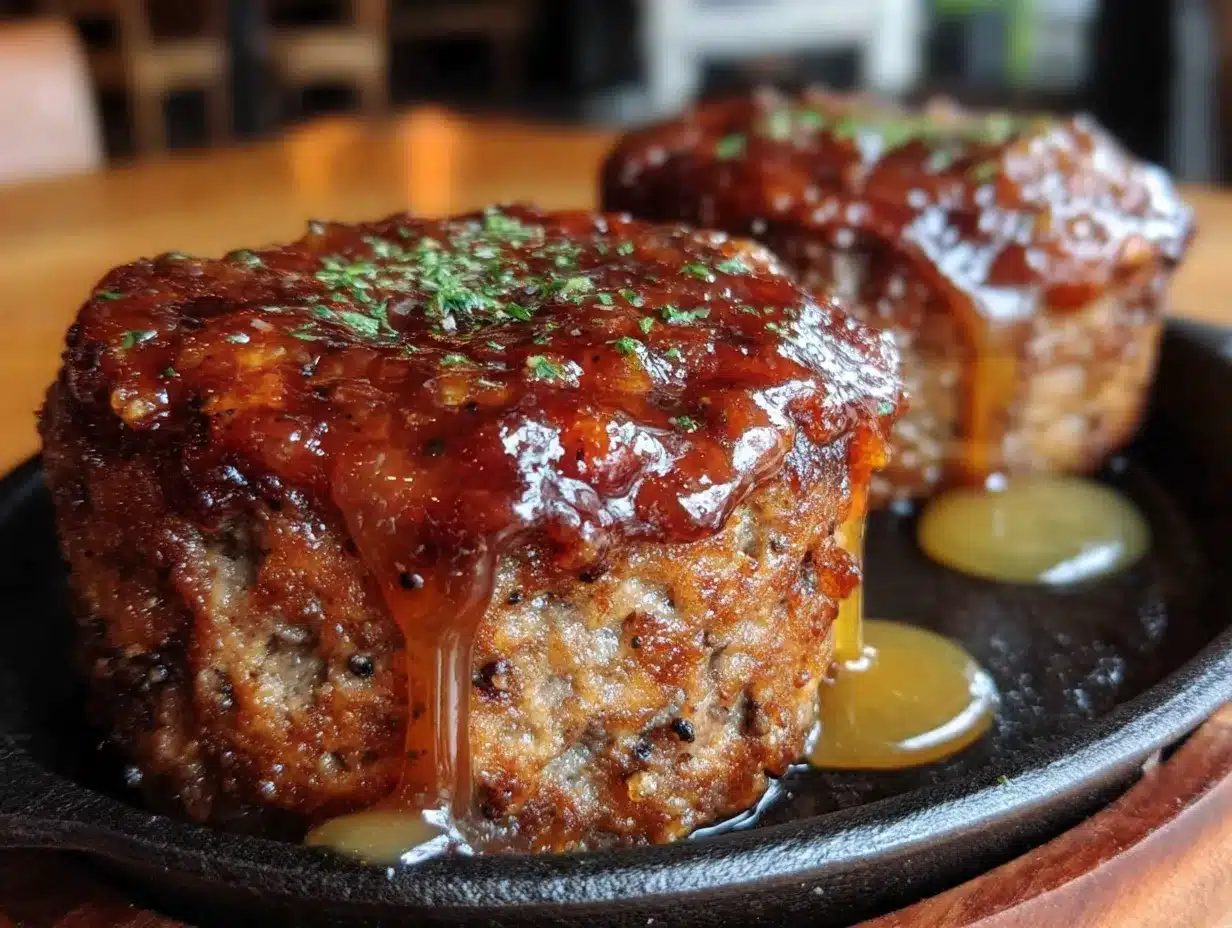
Let’s get cooking! This recipe comes together in a few simple steps. Follow along, and you’ll have a cozy dinner for two in no time.
- Preheat and Prep (5 minutes): Preheat your oven to 375°F (190°C). Lightly grease your small loaf pan (or line a baking sheet with parchment paper). This prevents sticking and makes cleanup a dream.
- Sauté the Aromatics (5 minutes): In a small skillet over medium heat, add a drizzle of olive oil. Add the finely diced onion and cook, stirring occasionally, for 3-4 minutes until it becomes soft and translucent. Add the minced garlic and cook for another 30 seconds until fragrant. Be careful not to burn the garlic. Remove from heat and let it cool slightly. This step is crucial—it mellows the onion and garlic, adding a sweet, savory base to the meatloaf.
- Make the Panade (2 minutes): In a large mixing bowl, combine the breadcrumbs and milk. Stir them together and let them sit for 2-3 minutes. The breadcrumbs will absorb the milk, creating a thick, paste-like mixture. This is your panade, and it’s the secret to a tender, moist meatloaf. It prevents the protein from contracting too tightly as it cooks.
- Mix the Meatloaf (3 minutes): To the panade, add the ground beef, beaten egg, sautéed onion and garlic, Worcestershire sauce, ketchup, salt, pepper, and dried thyme. Use your hands (clean, please!) or a rubber spatula to gently mix everything together. Important: Mix until just combined. Overmixing will develop the gluten in the breadcrumbs and make the meatloaf tough. You want it all incorporated, but you should still be able to see small bits of onion.
- Shape the Loaf (2 minutes): Transfer the meat mixture to your prepared loaf pan. Gently press it down to form an even loaf, making sure there are no air pockets. If you’re using a baking sheet, shape the mixture into two evenly-sized, oblong loaves, about 1.5 inches thick. A tip from personal experience: wet your hands slightly to prevent the mixture from sticking to your fingers.
- Make the Glaze (3 minutes): In a small saucepan over medium heat (or in a microwave-safe bowl in 30-second bursts), combine the packed brown sugar, ketchup, apple cider vinegar, and Dijon mustard. Whisk until the sugar is dissolved and the mixture is smooth. It should be a glossy, deep reddish-brown. Let it simmer for 1-2 minutes until it thickens slightly. If you’re using the microwave, just stir well between intervals.
- First Bake (20 minutes): Place the meatloaf in the preheated oven and bake for 20 minutes. The loaf will start to brown and release some juices. This initial bake sets the shape and starts cooking the interior.
- Glaze and Finish (15-20 minutes): After 20 minutes, remove the meatloaf from the oven. Carefully spoon or brush about half of the glaze over the top of the loaf, letting it drip down the sides. Return it to the oven and bake for another 15-20 minutes. The internal temperature should reach 160°F (71°C) when measured with an instant-read thermometer. The glaze will be bubbly, sticky, and deeply caramelized. If you want an extra-thick glaze, apply another layer in the last 5 minutes of baking.
- Rest and Serve (5 minutes): Once cooked, remove the meatloaf from the oven and let it rest in the pan for 5-10 minutes. This is a non-negotiable step. The resting time allows the juices to redistribute throughout the loaf, ensuring every slice is moist and tender. If you cut into it immediately, the juices will run out, leaving you with a dry meatloaf. After resting, slice and serve with the remaining glaze spooned over the top.
Sensory Cues: During the first bake, your kitchen will start smelling like a cozy diner. The glaze will transform from a liquid to a thick, sticky, almost-caramelized coating. You’ll know it’s done when the top is a deep, glossy mahogany color and the edges are slightly crispy. The meatloaf will also pull away slightly from the sides of the pan.
Personal Tip for Efficiency: While the onion is sautéing, you can prep the panade and measure out your glaze ingredients. This cuts down on active cooking time and makes the process feel seamless. Also, I always make a double batch of the glaze—it’s that good on everything from roasted veggies to chicken.
Cooking Tips & Techniques
Over the years, I’ve made this mini meatloaf more times than I can count, and I’ve learned a few things the hard way. Here are my best tips to ensure perfect results every time:
Don’t Overmix the Meat: This is the number one mistake people make with meatloaf. Mixing too vigorously or for too long develops the proteins, resulting in a dense, tough loaf. Use a gentle hand and stop as soon as the ingredients are combined. Think of it like making biscuits—less is more.
Use an Instant-Read Thermometer: Don’t rely on time alone. Ovens vary, and the size of your loaf can affect cooking time. The only way to be sure your meatloaf is perfectly cooked and safe to eat is to use a thermometer. Insert it into the center of the loaf; you’re looking for 160°F (71°C). I once pulled my meatloaf out at 155°F, thinking it would be fine, and it was a little too pink for my liking. Never again.
Let the Panade Rest: Don’t rush the panade step. Let the breadcrumbs and milk sit for a full 2-3 minutes. If you mix it too soon, the breadcrumbs won’t have time to fully absorb the liquid, and you won’t get the same tenderizing effect. It’s a small wait for a big payoff.
Baste with the Drippings: After you apply the glaze, if you see juices pooling in the pan, spoon a little over the top of the meatloaf before returning it to the oven. This adds even more moisture and flavor. I started doing this after a batch came out a little dry on the top, and it was a game-changer.
Timing and Multitasking: While the meatloaf is in the oven for its first 20-minute bake, this is the perfect time to make a quick side dish. I often throw together a simple mashed potato or roast some green beans. It makes the whole meal come together at the same time.
My Biggest Failure: The first time I made this, I used extra-lean ground beef (93/7) because I was trying to be “healthy.” The result was a dry, crumbly meatloaf that tasted like a hockey puck. The fat is essential for moisture and flavor. Trust the 80/20 ratio. Your taste buds will thank you.
Variations & Adaptations
This recipe is wonderfully adaptable. Here are a few ways to make it your own:
- Spicy Chipotle Twist: Add 1-2 teaspoons of adobo sauce from a can of chipotle peppers to the meat mixture and a pinch of cayenne to the glaze. This gives it a smoky, spicy kick that’s incredible. I tried this on a whim one winter, and it’s become my husband’s favorite version.
- Turkey or Chicken Version: Swap the ground beef for ground turkey or chicken. Be sure to use a mix with some dark meat (93/7 or 85/15) to keep it moist. You might need to add an extra tablespoon of milk to the panade to compensate for the leaner meat.
- Gluten-Free Adaptation: Use certified gluten-free breadcrumbs or almond flour in the panade. The texture will be slightly different (almond flour makes it a bit more tender), but it’s still delicious. I’ve made this for a gluten-sensitive friend, and she couldn’t tell the difference.
- Add Some Veggies: Finely grate a small carrot or zucchini into the meat mixture. This adds moisture, nutrients, and a subtle sweetness. Just make sure to squeeze out any excess liquid from the zucchini before adding it, or the loaf might be too wet.
- Cheese-Stuffed Center: For a decadent twist, press a cube of mozzarella or cheddar into the center of each mini loaf before baking. The melted cheese center is a wonderful surprise. Just be careful—it will be molten hot when you cut into it!
Seasonal Variation: In the fall, I love adding a teaspoon of smoked paprika and a pinch of cinnamon to the meat mixture. It gives the meatloaf a warm, autumnal flavor that pairs perfectly with roasted root vegetables.
Serving & Storage Suggestions
This mini meatloaf is incredibly versatile when it comes to serving. Here’s how to make the most of it:
Serving Temperature and Presentation: Serve the meatloaf warm, right after its rest. Slice it into thick pieces and arrange on a plate. Drizzle the remaining glaze over the top and garnish with a sprinkle of fresh parsley or chives for a pop of color. It’s beautiful on a simple white plate.
Complementary Dishes: This meatloaf is a classic comfort food, so it pairs wonderfully with traditional sides. Creamy mashed potatoes are a no-brainer—they’re perfect for soaking up the extra glaze. Roasted green beans, steamed broccoli, or a simple side salad add a fresh contrast. For a heartier meal, serve it with mac and cheese or roasted sweet potatoes.
Beverage Pairings: A rich red wine like a Zinfandel or a Malbec complements the sweet and savory flavors. For a non-alcoholic option, a tart cherry juice or a ginger beer is a great choice.
Storage Instructions: Store any leftover meatloaf in an airtight container in the refrigerator for up to 3-4 days. The flavors actually meld and deepen overnight, making it even more delicious the next day. I love slicing it cold for a meatloaf sandwich on toasted bread with a little extra ketchup.
Reheating Methods: To reheat, place slices on a baking sheet and warm in a 350°F (175°C) oven for about 10 minutes, or until heated through. You can also microwave individual slices for 30-60 seconds, but the oven method keeps the glaze sticky and the edges slightly crisp. I avoid the microwave if I can help it—it makes the glaze a bit soggy.
Freezing Instructions: This meatloaf freezes beautifully. Let it cool completely, then wrap it tightly in plastic wrap and then in foil. Freeze for up to 3 months. To thaw, place it in the refrigerator overnight. Reheat as directed above. I often make a double batch and freeze one for a future lazy night.
How Flavors Develop: The brown sugar glaze continues to meld with the meat as it sits. Leftovers often taste even better than the first serving because the flavors have had time to marry. The texture remains moist and tender, making it a fantastic make-ahead meal.
Nutritional Information & Benefits
While this is definitely a comfort food, it can absolutely fit into a balanced diet. Here’s a general idea of the nutritional profile for one serving (half of the recipe, about 8-10 ounces):
| Nutrient | Approximate Value |
|---|---|
| Calories | 450-550 kcal |
| Protein | 35-40g |
| Fat | 25-30g |
| Carbohydrates | 30-35g |
| Fiber | 1-2g |
| Sugar | 20-25g |
Health Benefits of Key Ingredients: The ground beef provides high-quality protein, iron, and B vitamins, which are essential for energy and muscle health. The onions and garlic offer antioxidants and anti-inflammatory compounds. While the brown sugar glaze adds sugar, it’s a small amount per serving and is part of what makes this dish so satisfying.
Dietary Considerations: This recipe is naturally low-carb (if you skip the breadcrumbs, you can use almond flour) and can be made gluten-free with a simple swap. It is not suitable for a dairy-free diet as written, but can be adapted. The main allergen is gluten (from breadcrumbs) and dairy (from milk).
Personal Wellness Perspective: I believe that food should nourish both the body and the soul. This meatloaf is a perfect example of that. It’s a hearty, satisfying meal that feels like a treat, but it’s made with real, whole ingredients. It’s not about deprivation—it’s about enjoying a classic dish in a way that makes you feel good. I always pair it with a big side of greens to balance the plate.
Conclusion
This Cozy Brown Sugar Glazed Mini Meatloaf for Two is more than just a recipe; it’s a little moment of comfort that you can create any night of the week. It came from an unexpected source, but it’s become a staple in my kitchen, and I have a feeling it will become one in yours too. It’s proof that you don’t need a complicated technique or a long list of ingredients to make something truly special. Sometimes, the best meals are the simplest ones, made with a little bit of patience and a whole lot of heart.
I encourage you to make this recipe your own. Play with the spices, try a different glaze, or stuff it with cheese. The beauty of cooking for yourself (or for two) is that you have the freedom to experiment. Don’t be afraid to make a mess or have a little mishap—that’s how you learn and discover new favorites. Honestly, the slightly burnt edges on my first attempt taught me more about timing than any perfect recipe ever could.
I absolutely love this recipe because it reminds me that comfort food doesn’t have to be complicated. It’s a warm, sticky, savory hug on a plate. I hope you love it just as much. If you give it a try, please come back and leave a comment below! I’d love to hear how it turned out, what variations you tried, and who you shared it with. And if you snapped a photo, tag me on social media—I can’t wait to see your cozy creations. Happy cooking, friends!
Frequently Asked Questions (FAQs)
Can I make this meatloaf in an air fryer?
Yes, you can! Preheat your air fryer to 375°F (190°C). Shape the meatloaf into a free-form loaf that fits in your air fryer basket. Cook for 15 minutes, then apply the glaze and cook for another 10-12 minutes, or until the internal temperature reaches 160°F (71°C). The cooking time may vary depending on your air fryer model.
Can I use a different type of ground meat?
Absolutely! Ground pork, turkey, or chicken all work well. If using poultry, be sure to use a blend with some dark meat for moisture, and you might need to add a little extra milk to the panade to keep it from drying out.
How do I prevent my meatloaf from falling apart?
The key to a meatloaf that holds together is the binder—the panade and the egg. Make sure you let the breadcrumbs fully absorb the milk. Also, don’t skip the resting time after baking. The meatloaf firms up as it cools, making it much easier to slice without crumbling.
Can I double this recipe?
Definitely! This recipe doubles easily. Just use a larger loaf pan (9×5 inches) and increase the baking time by about 10-15 minutes. Always use a meat thermometer to check for doneness. You can also make two smaller loaves in separate pans.
What if I don’t have apple cider vinegar for the glaze?
No problem! You can substitute with white vinegar, rice vinegar, or even a squeeze of fresh lemon juice. The acid is important to balance the sweetness, so don’t skip it entirely. Even a teaspoon of balsamic vinegar can add a nice depth of flavor.
Pin This Recipe!
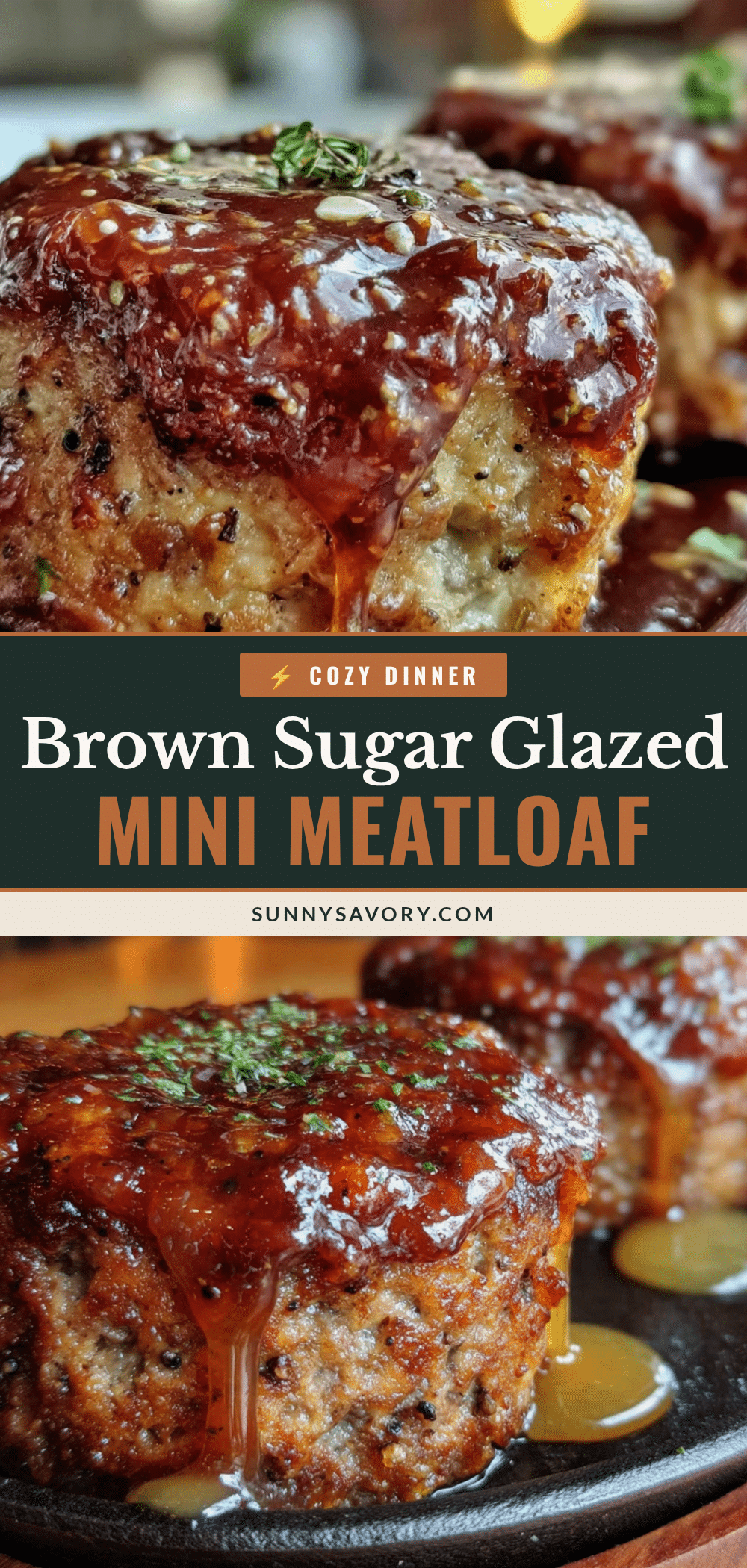
Cozy Brown Sugar Glazed Mini Meatloaf for Two

A tender, juicy mini meatloaf for two, topped with a sweet and tangy brown sugar glaze that caramelizes in the oven. Perfect for a cozy date night or a quiet evening in.
- Prep Time: 10 minutes
- Cook Time: 35-40 minutes
- Total Time: 45-50 minutes
- Yield: 2 servings 1x
- Category: Main Course
- Cuisine: American
Ingredients
- 1 lb (450g) ground beef (80/20 or 85/15)
- 1/2 cup (60g) plain breadcrumbs
- 1/4 cup (60ml) whole milk
- 1 large egg, lightly beaten
- 1/2 medium yellow onion, finely diced (about 1/2 cup)
- 2 cloves garlic, minced
- 1 tablespoon (15ml) Worcestershire sauce
- 1 tablespoon (15g) ketchup
- 1 teaspoon (5g) kosher salt
- 1/2 teaspoon (2g) black pepper
- 1/2 teaspoon (1g) dried thyme
- 1/3 cup (70g) packed light brown sugar
- 2 tablespoons (30ml) ketchup
- 1 tablespoon (15ml) apple cider vinegar
- 1/2 teaspoon (2g) Dijon mustard
Instructions
- Preheat oven to 375°F (190°C). Lightly grease a small loaf pan (8.5×4.5 inches) or line a baking sheet with parchment paper.
- In a small skillet over medium heat, add a drizzle of olive oil. Sauté the finely diced onion for 3-4 minutes until soft and translucent. Add minced garlic and cook for 30 seconds until fragrant. Remove from heat and let cool slightly.
- In a large mixing bowl, combine breadcrumbs and milk. Let sit for 2-3 minutes to form a panade.
- Add ground beef, beaten egg, sautéed onion and garlic, Worcestershire sauce, ketchup, salt, pepper, and dried thyme to the panade. Gently mix with your hands or a rubber spatula until just combined. Do not overmix.
- Transfer the meat mixture to the prepared loaf pan and press gently to form an even loaf. If using a baking sheet, shape into two evenly-sized oblong loaves about 1.5 inches thick.
- In a small saucepan over medium heat (or microwave-safe bowl in 30-second bursts), combine brown sugar, ketchup, apple cider vinegar, and Dijon mustard. Whisk until sugar dissolves and mixture is smooth. Let simmer for 1-2 minutes until slightly thickened.
- Bake the meatloaf for 20 minutes. Remove from oven and spoon or brush about half of the glaze over the top.
- Return to oven and bake for another 15-20 minutes, until internal temperature reaches 160°F (71°C). The glaze should be bubbly and caramelized.
- Remove from oven and let rest in the pan for 5-10 minutes. Slice and serve with remaining glaze spooned over the top.
Notes
For best results, use 80/20 ground beef for juiciness. Let the panade rest for 2-3 minutes. Do not overmix the meat. Use an instant-read thermometer to ensure internal temperature reaches 160°F. Let the meatloaf rest before slicing to retain juices.
Nutrition
- Serving Size: Half of the recipe (
- Calories: 450550
- Sugar: 2025
- Sodium: 8001000
- Fat: 2530
- Saturated Fat: 1012
- Carbohydrates: 3035
- Fiber: 12
- Protein: 3540
Keywords: mini meatloaf, brown sugar glaze, meatloaf for two, comfort food, easy dinner, date night