Love this? Save it for later!
Share the inspiration with your friends
This was supposed to be a simple weeknight lasagna. You know, the kind you throw together without thinking, with jarred sauce and those no-boil noodles that always feel like a bit of a cheat. I had the ground beef defrosting on the counter, the ricotta ready to go, and I was feeling pretty good about myself for being so organized on a Tuesday. Then I opened the fridge and saw it—a butternut squash I’d bought on a whim at the farmers market three days ago, sitting there like it was waiting for its moment. I grabbed it instead of the beef. I have no idea why. Maybe I was distracted by the dog barking at a squirrel. Maybe I just wanted something that felt a little more like fall. Either way, I swapped one ingredient for another, and what came out of the oven was nothing like the plan—and better. Honestly, I almost didn’t even try it. I stared at the pan for a solid minute, convinced I’d ruined dinner. But that first bite? The squash had melted into this creamy, almost sweet layer between the noodles, and the whole thing tasted like October on a plate. It was one of those happy kitchen moments you can’t plan for.
Let me tell you, I’ve made a lot of lasagnas in my day. I’ve layered them carefully, cursed at them when they fell apart, and defended my family recipe like it was a sacred text. But this one? It broke all the rules. It uses one pan, which means less cleanup and more time actually sitting down to eat. It swaps out the heavy meat for roasted squash, so it feels a little lighter but still totally satisfying. And it has this nutty, brown-butter vibe from the sage that just works. The first time I made it, I was sure I’d never replicate it. But I did. Three times in two weeks, actually. My neighbor Karen even asked for the recipe, and she’s not one to hand out compliments lightly. So if you’ve ever had a moment where a recipe went sideways and then somehow saved itself, you’re going to love this one.
Why You’ll Love This Recipe
This cozy one-pan butternut squash lasagna is the kind of dish that makes you feel like you’ve got it all figured out. It’s got that perfect balance of creamy, savory, and slightly sweet, and it comes together in a way that doesn’t require a lot of fuss. Here’s why it works so well:
- Quick & Easy: It comes together in about an hour, with just 15 minutes of active prep. No boiling noodles, no browning meat, no complicated layering. You just toss everything in one pan and let the oven do the heavy lifting.
- Simple Ingredients: You don’t need to hunt down anything fancy. Butternut squash, lasagna noodles, cheese, cream, and sage—that’s basically it. Most of these are probably already in your kitchen.
- Perfect for Fall: This is the ultimate cozy dinner for those crisp evenings when you want something warm and comforting. It’s great for a Sunday night supper or even a Thanksgiving side dish that steals the show.
- Crowd-Pleaser: I’ve served this to picky eaters, vegetarians, and even my uncle who swears he doesn’t like squash. Every single person went back for seconds. The creamy texture and cheesy top are just irresistible.
- Unbelievably Delicious: The butternut squash gets so soft it almost turns into a sauce, and the brown butter and sage add this deep, nutty flavor that’s pure comfort. It’s the kind of meal that makes you close your eyes after the first bite.
What makes this recipe different from the rest is the technique. Instead of roasting the squash separately, you layer it raw with the noodles, and it cooks down into this silky, almost custard-like layer. It’s not just another lasagna—it’s a smarter, cozier version that saves you time without sacrificing any flavor.
What Ingredients You Will Need
This recipe uses simple, wholesome ingredients to deliver bold flavor and satisfying texture without the fuss. The butternut squash is the star here, so you’ll want to pick a good one—look for one that feels heavy for its size and has a firm, unblemished skin. Everything else is pretty straightforward pantry stuff.
- Butternut Squash (1 medium, about 2-3 pounds): Peeled, seeded, and thinly sliced into half-moons or small cubes. I prefer slicing it thin (about ¼-inch thick) so it cooks evenly. If you’re short on time, you can buy pre-cut squash from the store, but fresh is always better.
- No-Boil Lasagna Noodles (9-12 sheets): These are a lifesaver because you don’t have to cook them first. I like the Barilla brand for consistent results, but any no-boil kind will work. If you only have regular noodles, boil them for half the time before layering.
- Whole Milk Ricotta Cheese (15 ounces): Adds that creamy, rich layer that makes lasagna so satisfying. I recommend whole milk for best texture, but part-skim works too. If you need a dairy-free option, try a cashew-based ricotta.
- Shredded Mozzarella Cheese (2 cups): For that gooey, melty top. Low-moisture mozzarella is best because it doesn’t release too much water. Fresh mozzarella can be used, but it might make the lasagna a bit wetter.
- Grated Parmesan Cheese (½ cup): Adds a salty, nutty kick. I always use freshly grated Parmesan for better flavor, but the pre-shredded kind in a bag works in a pinch.
- Heavy Cream (1 cup): This creates the sauce that soaks into the noodles and squash as it bakes. You can substitute half-and-half for a lighter version, but the lasagna won’t be as rich.
- Fresh Sage Leaves (10-12 leaves): Sage and butternut squash are a classic pairing. The leaves get crispy in the oven and add a wonderful aroma. If you don’t have fresh, use 1 teaspoon of dried sage, but the flavor won’t be as bright.
- Garlic (3 cloves, minced): Adds depth and savory notes. I use fresh garlic, but ½ teaspoon of garlic powder works if that’s what you have.
- Unsalted Butter (3 tablespoons): For browning the sage and adding that nutty flavor. Salted butter is fine, just reduce the added salt a bit.
- Salt and Black Pepper (to taste): Essential for seasoning each layer. I use kosher salt for better control.
- Nutmeg (¼ teaspoon, freshly grated if possible): This is a secret ingredient that brings out the sweetness of the squash. It’s subtle but makes a difference.
- Olive Oil (1 tablespoon): For drizzling the pan and the squash. A good extra-virgin olive oil adds a little fruitiness.
Equipment Needed
You don’t need a lot of fancy tools for this one, which is part of the appeal. Here’s what you’ll need:
- One 9×13-inch Baking Dish or Oven-Safe Skillet: I use a ceramic baking dish, but a metal or glass one works too. If you use a cast-iron skillet, make sure it’s at least 2 inches deep to hold all the layers.
- Sharp Chef’s Knife: For peeling and slicing the butternut squash. A dull knife is a recipe for frustration (and possibly a trip to the ER).
- Vegetable Peeler: Makes quick work of removing the squash skin. I’ve tried using a knife, but a peeler is just faster and safer.
- Cutting Board: A large, sturdy one is best for handling the squash.
- Small Skillet: For browning the butter and sage. Any small pan works, but a non-stick one makes cleanup easier.
- Mixing Bowl: For combining the ricotta mixture. A medium bowl is plenty.
- Measuring Cups and Spoons: For accuracy. I’m usually a “by eye” cook, but for this recipe, measuring the cream and cheese helps keep the texture right.
- Aluminum Foil: For covering the lasagna during the first part of baking so the top doesn’t burn.
If you don’t have a 9×13 dish, you can use two smaller dishes and adjust the baking time slightly. A 10-inch cast-iron skillet also works great and gives the lasagna a rustic look.
Preparation Method
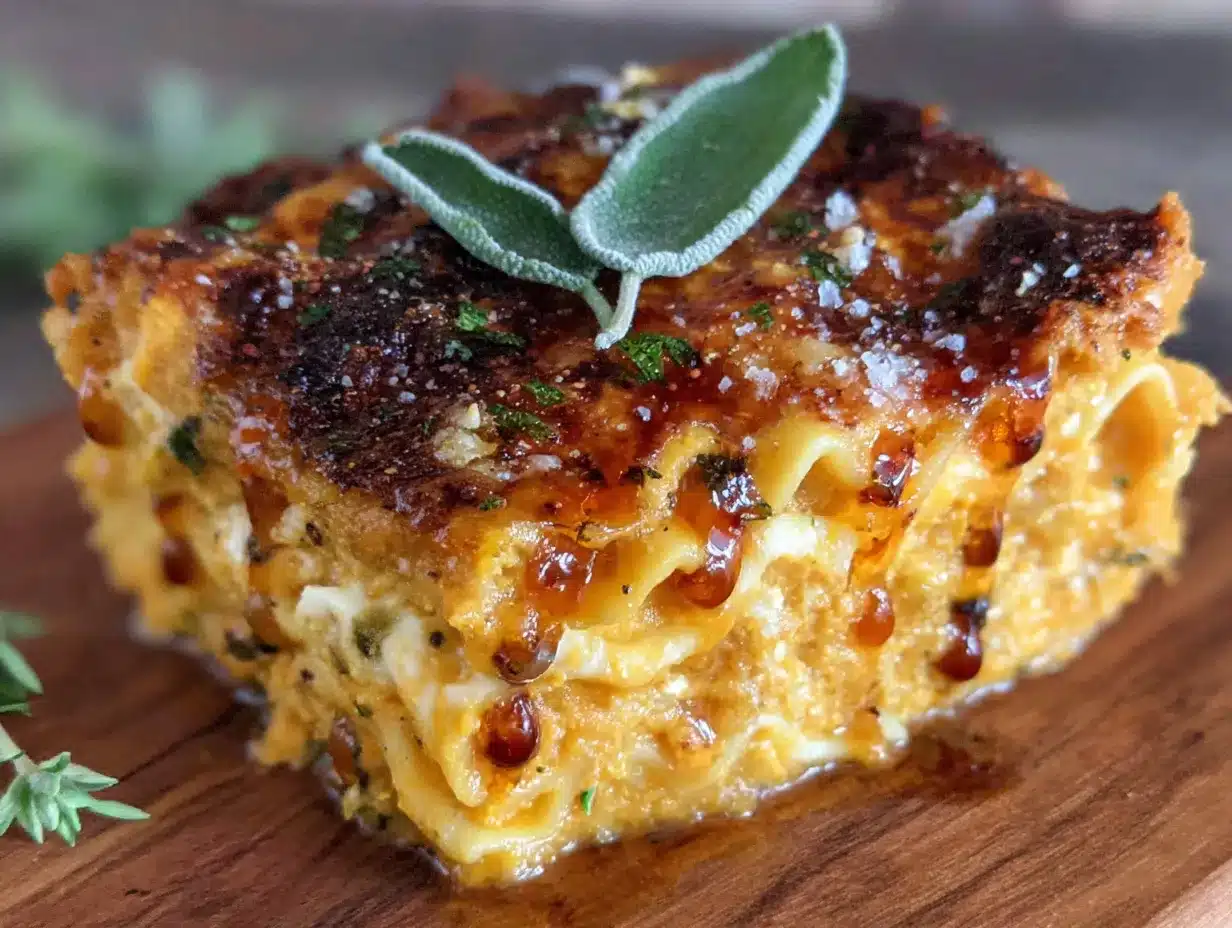
Okay, let’s get cooking. This comes together faster than you’d think, especially since there’s no boiling or pre-cooking involved.
- Preheat the oven to 375°F (190°C). While it’s heating up, get your ingredients ready. This is a good time to peel and slice the butternut squash. Cut off the top and bottom, then use a vegetable peeler to remove the skin. Cut the squash in half lengthwise, scoop out the seeds, and slice it into ¼-inch thick half-moons. Set aside.
- Make the brown butter sage sauce. In a small skillet over medium heat, melt the 3 tablespoons of butter. Add the fresh sage leaves and let them sizzle for about 2 minutes, until the butter turns golden brown and smells nutty. Be careful not to burn it—once it starts browning, it can go from perfect to burnt in seconds. Remove the sage leaves and set them aside for later. Pour the browned butter into a small bowl and stir in the minced garlic and a pinch of salt.
- Mix the ricotta filling. In a medium bowl, combine the ricotta cheese, 1 cup of the shredded mozzarella, ¼ cup of the Parmesan, the nutmeg, and a good pinch of salt and pepper. Mix until smooth. This is your creamy layer that’ll make the lasagna so rich.
- Layer it up in the baking dish. Drizzle the bottom of your 9×13 dish with the olive oil. Spread a thin layer of the heavy cream (about ¼ cup) on the bottom. Then, arrange a layer of no-boil lasagna noodles, breaking them to fit if needed. Spread half of the ricotta mixture over the noodles. Top with a layer of butternut squash slices, overlapping them slightly. Drizzle with some of the browned butter mixture. Repeat the layers: noodles, remaining ricotta, squash, and more browned butter. For the final layer, add another layer of noodles, the remaining cream, and the remaining shredded mozzarella and Parmesan. Tuck the browned sage leaves on top.
- Cover and bake. Cover the dish tightly with aluminum foil and bake for 40 minutes. This traps steam and helps the squash cook through without drying out. After 40 minutes, remove the foil and bake for another 15-20 minutes, until the top is golden and bubbly and the squash is tender when pierced with a fork.
- Let it rest. This is the hardest part, I know. Let the lasagna sit for at least 10 minutes before cutting. It needs this time to set, or it’ll turn into a soupy mess when you try to serve it. Trust me, I’ve learned this the hard way.
A few sensory cues to watch for: When you uncover the foil, you should see the cream bubbling around the edges. The squash should be soft enough that a fork slides right through it. And the top should be a deep golden brown—that’s the mozzarella doing its thing.
Cooking Tips & Techniques
I’ve made this recipe enough times to have learned a few tricks that make it even better. Here’s what I’ve figured out:
- Slice the squash evenly. This is key for even cooking. If some pieces are thicker than others, they’ll be undercooked while the thin ones turn to mush. Take your time with the slicing—it’s worth it. I usually aim for about ¼-inch thick, which is thin enough to cook through but thick enough to hold its shape.
- Don’t skip the resting time. I know, you’re hungry, and the smell is driving you crazy. But if you cut into it right away, the layers will slide apart and you’ll end up with a lasagna puddle. Letting it rest for 10-15 minutes allows the cream to thicken and the noodles to absorb the liquid. It’s a game-changer.
- Brown the butter slowly. This is one of those steps where patience pays off. Keep the heat at medium and swirl the pan occasionally. The butter will foam up, then start to turn golden. As soon as you see brown specks forming, take it off the heat. It’ll continue to cook from the residual heat.
- Use a mandoline if you have one. I don’t always use mine because it’s a pain to clean, but for this recipe, it makes slicing the squash so fast and uniform. Just watch your fingers—those blades are sharp.
- Toast the sage leaves separately. If you want them extra crispy, you can fry them in a little butter before adding them to the top. They’ll stay crunchy and add a nice textural contrast to the creamy lasagna.
I once forgot to cover the lasagna for the first 40 minutes. The top got too brown, and the noodles were still hard in the middle. Don’t be like me. The foil is your friend.
Variations & Adaptations
This recipe is pretty forgiving, so feel free to play with it. Here are some ways to change it up:
- Vegetarian Version: It’s already vegetarian, but you can bulk it up with sautéed mushrooms or spinach. Add a layer of cooked mushrooms between the squash and ricotta for an earthy boost. Or wilt a few handfuls of spinach in the browned butter before layering.
- Gluten-Free Option: Use gluten-free lasagna noodles. They work the same way, just check the package for any specific baking instructions. Some brands need a little more liquid, so you might want to add an extra splash of cream.
- Dairy-Free Adaptation: Swap the ricotta for a dairy-free version (cashew-based is my favorite), use a plant-based mozzarella, and replace the heavy cream with full-fat coconut milk. The coconut flavor is subtle and actually pairs nicely with the squash. I’ve tried this for a friend with lactose intolerance, and it was still creamy and delicious.
- Add Some Protein: If you want to make it heartier, add a layer of cooked Italian sausage or shredded rotisserie chicken. Just crumble the sausage and brown it before layering, or shred the chicken and mix it with the ricotta.
- Spice It Up: Add a pinch of red pepper flakes to the browned butter for a little heat. Or swap the sage for rosemary and thyme for a more herbaceous flavor. I’ve done this when I didn’t have sage, and it was still great.
One time, I made this with acorn squash instead of butternut because that’s what I had. It was a little more watery, but it still worked. The flavor was slightly different—more earthy—but my family didn’t complain.
Serving & Storage Suggestions
This lasagna is best served warm, right after it’s rested. The top should be golden and bubbly, and the inside should be creamy and tender. I like to serve it with a simple green salad dressed with lemon vinaigrette to cut through the richness. A side of crusty bread is also great for sopping up any extra sauce in the pan.
For drinks, a crisp white wine like Sauvignon Blanc or a light red like Pinot Noir pairs beautifully. If you’re going non-alcoholic, a sparkling apple cider is perfect for fall.
Storage: Leftovers can be stored in an airtight container in the fridge for up to 4 days. The flavors actually meld together overnight, so it might taste even better the next day. To reheat, cover with foil and warm in a 350°F oven for 15-20 minutes, or microwave individual portions for 1-2 minutes. The microwave will make the top less crispy, so the oven is better if you care about texture.
Freezing: This lasagna freezes beautifully. Assemble it completely but don’t bake it. Cover tightly with foil and freeze for up to 3 months. When you’re ready to bake, thaw it in the fridge overnight, then bake as directed, adding about 10 minutes to the covered cooking time. You can also freeze baked leftovers in individual portions for quick lunches.
One thing I’ve noticed: the lasagna firms up a lot as it cools. So if you’re serving it for a crowd, don’t stress if it looks a little loose right out of the oven. It’ll set beautifully.
Nutritional Information & Benefits
This cozy one-pan butternut squash lasagna is a balanced meal on its own. Here’s a rough estimate per serving (based on 8 servings):
- Calories: ~380
- Protein: 16g
- Fat: 22g
- Carbohydrates: 32g
- Fiber: 4g
- Vitamin A: 180% of the Daily Value (thanks to the butternut squash)
- Calcium: 25% of the Daily Value
Butternut squash is packed with vitamin A, which is great for eye health and immune function. It’s also a good source of fiber, which helps keep you full. The ricotta and mozzarella add protein and calcium, while the heavy cream provides a dose of healthy fats. If you’re watching your carbs, you can use zucchini noodles or thinly sliced eggplant instead of lasagna noodles—though the texture will be different.
This recipe is vegetarian, but it does contain dairy and gluten. For a lighter version, you can use part-skim ricotta and reduce the cheese on top. I’ve made it with low-fat cream before, and while it wasn’t as luscious, it still hit the spot.
Conclusion
This cozy one-pan butternut squash lasagna is one of those recipes that proves mistakes can be delicious. It started as a kitchen accident—grabbing the wrong ingredient, being too distracted to follow the plan—but it turned into something I genuinely look forward to making every fall. The creamy squash, the nutty brown butter, the gooey cheese on top—it all comes together in a way that feels both comforting and a little bit special. And the fact that it all happens in one pan? That’s just the cherry on top.
I’d love for you to try this and make it your own. Maybe you’ll add some spinach or swap in a different squash. Maybe you’ll double the sage because you love it as much as I do. Whatever you do, don’t be afraid to mess it up a little. Sometimes the best recipes come from the moments when you least expect them. If you make this, let me know how it goes in the comments! And if you share it on social media, tag me—I want to see your cozy fall dinners.
Frequently Asked Questions
Can I use frozen butternut squash instead of fresh?
Yes, you can use frozen butternut squash, but it will release more water as it bakes. Thaw it first and pat it dry with paper towels to remove excess moisture. You might also need to bake the lasagna uncovered for an extra 5-10 minutes to let the liquid evaporate.
Do I have to use no-boil lasagna noodles?
No, you can use regular lasagna noodles, but you’ll need to boil them first. Cook them for about half the time recommended on the package—they should still be slightly firm. Then layer them as usual. The baking time should stay the same.
Can I make this ahead of time?
Absolutely. Assemble the lasagna completely, cover it, and refrigerate for up to 24 hours before baking. You might need to add 10-15 minutes to the covered baking time since it’s starting from cold. This is actually a great make-ahead dinner for busy weeknights.
How do I prevent the lasagna from being watery?
Make sure your butternut squash is sliced thin and even. If the pieces are too thick, they won’t cook through properly and can release water. Also, don’t skip the resting time after baking—it lets the excess liquid absorb into the noodles. If your lasagna still seems watery, try baking it uncovered for an extra 5 minutes.
Can I use a different type of squash?
Yes! Acorn squash, kabocha squash, or even pumpkin work well. Just keep in mind that different squashes have different moisture levels. Acorn squash is a bit more watery, so you might need to adjust the baking time. Kabocha is sweeter and denser, which makes it a great substitute.
Pin This Recipe!

Cozy One-Pan Butternut Squash Lasagna | Easy Fall Dinner

A creamy, savory, and slightly sweet one-pan lasagna that swaps meat for roasted butternut squash, with a nutty brown butter and sage sauce. It’s an easy, no-boil noodle recipe that comes together in about an hour for a cozy fall dinner.
- Prep Time: 15 minutes
- Cook Time: 55-60 minutes
- Total Time: 1 hour 10-15 minutes
- Yield: 8 servings 1x
- Category: Main Course
- Cuisine: Italian-American
Ingredients
- 1 medium butternut squash (about 2–3 pounds), peeled, seeded, and thinly sliced into ¼-inch half-moons
- 9–12 no-boil lasagna noodles
- 15 ounces whole milk ricotta cheese
- 2 cups shredded low-moisture mozzarella cheese
- ½ cup grated Parmesan cheese
- 1 cup heavy cream
- 10–12 fresh sage leaves
- 3 cloves garlic, minced
- 3 tablespoons unsalted butter
- Salt and black pepper to taste
- ¼ teaspoon freshly grated nutmeg
- 1 tablespoon olive oil
Instructions
- Preheat the oven to 375°F (190°C). Peel and slice the butternut squash into ¼-inch thick half-moons.
- In a small skillet over medium heat, melt the butter. Add the sage leaves and cook for about 2 minutes until the butter turns golden brown and smells nutty. Remove the sage leaves and set aside. Stir the minced garlic and a pinch of salt into the browned butter.
- In a medium bowl, combine the ricotta, 1 cup of the mozzarella, ¼ cup of the Parmesan, the nutmeg, and a pinch of salt and pepper. Mix until smooth.
- Drizzle the bottom of a 9×13-inch baking dish with the olive oil. Spread about ¼ cup of the heavy cream on the bottom. Arrange a layer of no-boil lasagna noodles, breaking to fit if needed. Spread half of the ricotta mixture over the noodles. Top with a layer of butternut squash slices, overlapping slightly. Drizzle with some of the browned butter mixture. Repeat the layers: noodles, remaining ricotta, squash, and more browned butter. For the final layer, add another layer of noodles, the remain…
- Cover the dish tightly with aluminum foil and bake for 40 minutes. Remove the foil and bake for another 15-20 minutes, until the top is golden and bubbly and the squash is tender when pierced with a fork.
- Let the lasagna rest for at least 10 minutes before cutting and serving.
Notes
Slice the squash evenly for even cooking. Don’t skip the resting time after baking to allow the lasagna to set. Brown the butter slowly to avoid burning. For extra crispy sage leaves, fry them separately in a little butter before adding to the top. If using frozen butternut squash, thaw and pat dry first. The lasagna can be assembled ahead and refrigerated for up to 24 hours before baking; add 10-15 minutes to the covered baking time.
Nutrition
- Serving Size: 1 slice (1/8 of the
- Calories: 380
- Sugar: 6
- Sodium: 480
- Fat: 22
- Saturated Fat: 13
- Carbohydrates: 32
- Fiber: 4
- Protein: 16
Keywords: butternut squash lasagna, one-pan lasagna, fall dinner, vegetarian lasagna, easy lasagna, no-boil lasagna, brown butter sage lasagna