Love this? Save it for later!
Share the inspiration with your friends
The power went out halfway through a July heatwave three years ago, and my kitchen turned into a sauna. I was supposed to be roasting a chicken for dinner, but the oven stayed stubbornly cold. I stood there, sweating in my apron, staring at a bowl of cucumbers that were getting softer by the minute. I grabbed the wrong dressing, the one meant for a hot grain bowl, and I was already running late for a friend’s arrival. What came out was nothing like the plan — and better.
I ended up tossing those limp cucumbers with crumbled feta and a handful of fresh dill I’d found wilting in the fridge. I meant to throw it away. But then I took a bite. The cold crunch against the salty cheese and creamy, herby dressing stopped my panic in its tracks. It was refreshing in a way that hot food never could be. That accidental salad became the star of the night. Everyone asked for the recipe, and honestly, I didn’t even know what it was yet.
I mean, let me tell you, I’ve made this creamy feta dill cucumber salad dozens of times since then. It’s become my go-to when the weather turns warm and I have zero energy to turn on the stove. Maybe you’ve been there, staring into an empty fridge, wondering what to make with a few sad veggies. This recipe saves the day. It’s light, it’s tangy, and it tastes like summer in a bowl. I keep making it because it reminds me that sometimes, the best meals come from the messiest moments. You know that feeling when you’re stressed, and then one perfect bite just resets your whole mood? That’s this salad.
Why You’ll Love This Recipe
Let’s be real for a second. Most cucumber salads are just vinegar and salt. They’re crisp, sure, but they lack soul. This version is different because it brings in the creamy richness of feta and the aromatic punch of fresh dill. I’ve tested this recipe with different types of cheese, and nothing beats the tangy crumble of feta. It adds a savory depth that balances the cool cucumber perfectly. It’s not just a side dish; it’s a flavor experience.
- Quick & Easy: This comes together in under 15 minutes. It’s perfect for busy weeknights or when you’re hosting a last-minute gathering and need something impressive that requires zero actual cooking.
- Simple Ingredients: No fancy grocery trips needed. You likely already have cucumbers, feta, dill, and some basic pantry staples like olive oil and lemon juice in your kitchen right now.
- Perfect for Summer Gatherings: Whether it’s a backyard BBQ, a pool party, or a cozy patio dinner, this salad fits right in. It’s light enough not to weigh you down but flavorful enough to keep people coming back for seconds.
- Crowd-Pleaser: I’ve served this to picky eaters and food critics alike. The combination of textures and flavors is universally loved. Kids usually love the crunch, and adults appreciate the sophisticated herb profile.
- Unbelievably Delicious: The texture and flavor combo is next-level comfort food. It’s cool, creamy, salty, and fresh all at once. It’s the kind of salad that makes you close your eyes after the first bite and just sigh.
What makes this creamy feta dill cucumber salad stand out is the balance. It isn’t just one note. The creaminess from the cheese and dressing coats every slice, while the dill adds a bright, grassy finish. It’s comfort food reimagined for the warmer months. It’s healthy, but it doesn’t taste like diet food. It tastes like something you’d get at a fancy Greek taverna, but made in your own home with minimal effort.
What Ingredients You Will Need
This recipe uses simple, wholesome ingredients to deliver bold flavor and satisfying texture without the fuss. The beauty of this dish lies in its quality rather than complexity. Since there are so few components, each one needs to be fresh and flavorful. I recommend using high-quality extra virgin olive oil and a good block of feta cheese rather than the pre-crumbled kind in a bag, which often has anti-caking agents that ruin the texture.
- Cucumbers: Use English cucumbers or Persian cucumbers. They have fewer seeds and thinner skins, which means you don’t have to peel them. If you use standard slicing cucumbers, be sure to peel them and scoop out the watery seeds to prevent a soggy salad. Look for firm, bright green cucumbers that feel heavy for their size.
- Feta Cheese: Opt for a block of feta brined in whey. It’s creamier and less salty than the dry-packed versions. Crumble it by hand for better texture control. Brands like Mount Vikos or Boar’s Head are reliable choices I’ve used often.
- Fresh Dill: This is non-negotiable. Fresh dill provides that signature anise-like flavor that defines this salad. Avoid dried dill if you can help it, as it lacks the brightness. Use the feathery tops for the best visual appeal and flavor.
- Extra Virgin Olive Oil: Choose a robust, fruity olive oil. It adds richness and helps carry the flavors of the herbs. A high-quality oil makes a noticeable difference in such a simple dish.
- Lemon Juice: Freshly squeezed lemon juice is essential. Bottled juice often has a metallic taste that clashes with the fresh herbs. The acidity cuts through the richness of the feta and oil.
- Red Onion: Thinly sliced red onion adds a bit of sharpness and color. If you find raw onion too pungent, soak the slices in cold water for 10 minutes before adding them to the salad.
- Garlic: One small clove of fresh garlic, minced or grated, adds a subtle warmth. Don’t overpower the salad with it; you want it to be a background note, not the main event.
- Salt and Black Pepper: Use kosher salt for seasoning, as it’s easier to control. Freshly cracked black pepper adds a nice heat. Taste before adding salt, as the feta is already quite salty.
For substitutions, you can use goat cheese if you prefer a softer texture, though it will change the flavor profile slightly. If you are dairy-free, you can skip the feta and add some toasted walnuts for crunch, though you will lose the creamy element. In summer, you might add some cherry tomatoes for extra color, but keep in mind that tomatoes release water, so add them right before serving.
Equipment Needed
You don’t need much to make this salad, which is part of its charm. A large mixing bowl is the most important tool. I prefer a wide bowl because it makes tossing the ingredients easier and ensures the dressing coats everything evenly. If you don’t have a large bowl, you can mix it in the serving dish, but be careful not to break the cucumbers too much.
A sharp chef’s knife and a cutting board are essential for slicing the cucumbers and onions thinly. A mandoline slicer can make this process faster and more uniform, but use it with caution. If you’re not comfortable with a mandoline, just take your time with the knife. Thin, even slices cook better and look more professional.
A zester or microplane is helpful if you want to add lemon zest to the dressing. The zest adds a pop of citrus aroma that complements the juice. If you don’t have one, just skip it; the juice is enough. A small whisk or fork is useful for emulsifying the olive oil and lemon juice together before pouring it over the salad. This helps the dressing cling to the vegetables better.
If you plan to make this salad ahead of time, an airtight container is useful for storage. Glass containers work best because they don’t retain odors from the garlic or onions. For cleaning, just rinse your tools immediately after use, as feta can stick to things if it dries out. Keep your knives sharp; a dull knife will crush the cucumbers instead of slicing them cleanly.
How Do I Keep the Salad from Getting Soggy?
The key is timing and preparation. Salt the cucumbers lightly and let them sit for 10 minutes, then drain the excess liquid before adding the other ingredients. This removes some of the water content. Also, add the dressing right before serving if possible. If you must prep ahead, keep the dressing separate and mix it in when you’re ready to eat.
Can I Use Pre-Crumbled Feta?
You can, but it’s not ideal. Pre-crumbled feta often contains potato starch or cellulose to prevent clumping. This can make the cheese feel dry and dusty rather than creamy. It also doesn’t crumble as nicely by hand. If you’re in a pinch, it will still taste good, but block feta is worth the extra minute of effort.
What Type of Olive Oil Should I Use?
Use a high-quality extra virgin olive oil. Since the oil is a primary flavor component, a cheap or refined oil will taste flat. Look for an oil that has a peppery finish or fruity notes. It should taste good on its own. If the oil tastes bitter or rancid, the salad will too.
How Thin Should I Slice the Cucumbers?
Slice them as thinly as you can comfortably manage. About 1/8 inch thick is a good target. Thinner slices absorb the dressing better and have a more pleasant mouthfeel. If the slices are too thick, the salad will feel chunky and the flavors won’t integrate as well.
Is This Salad Gluten-Free?
Yes, this creamy feta dill cucumber salad is naturally gluten-free. Just ensure that your feta cheese and olive oil are certified gluten-free if you have celiac disease, though cross-contamination is rare in these products. Always check labels to be safe.
Preparation Method
Getting started is the easiest part. First, wash your cucumbers thoroughly under cold water. If you are using English cucumbers, you can leave the skin on. If you are using regular cucumbers, peel them completely. This step is crucial for texture, as regular cucumber skins can be tough and waxy. Pat them dry with a paper towel to remove excess moisture.
Next, slice the cucumbers. Use a sharp knife to cut them into half-moon shapes or thin rounds. Aim for uniform thickness so that every bite has a similar crunch. Place the sliced cucumbers in a large bowl. If you are using red onion, peel it and slice it very thinly. You want the slices to be almost translucent. Add the onion to the bowl with the cucumbers.
Now, let’s talk about the dressing. In a small bowl, combine the olive oil, lemon juice, minced garlic, lemon zest (if using), salt, and black pepper. Whisk them together vigorously until the mixture looks emulsified and slightly thickened. This should take about 30 seconds. Taste the dressing and adjust the seasoning. It should be bright and tangy. If it’s too sour, add a tiny pinch of sugar to balance it.
Pour the dressing over the cucumbers and onions. Toss everything gently with your hands or a large spoon. You want to coat every piece evenly. Be careful not to crush the cucumbers. Let the mixture sit for about 5 to 10 minutes. This allows the flavors to meld and the cucumbers to soften slightly. It’s a passive step that makes a huge difference in taste.
While the salad rests, crumble the feta cheese. Break it into bite-sized chunks. You want some larger pieces for texture and some smaller bits for creaminess. Add the fresh dill leaves to the salad. Use your hands to gently tear the dill if the sprigs are large. This releases more of the essential oils and flavor.
Add the feta and dill to the bowl. Toss everything one more time to distribute the cheese and herbs evenly. Serve immediately for the best texture. The salad should be cool, creamy, and vibrant. If you are serving it later, cover it and refrigerate. Bring it back to room temperature before serving for the best flavor.
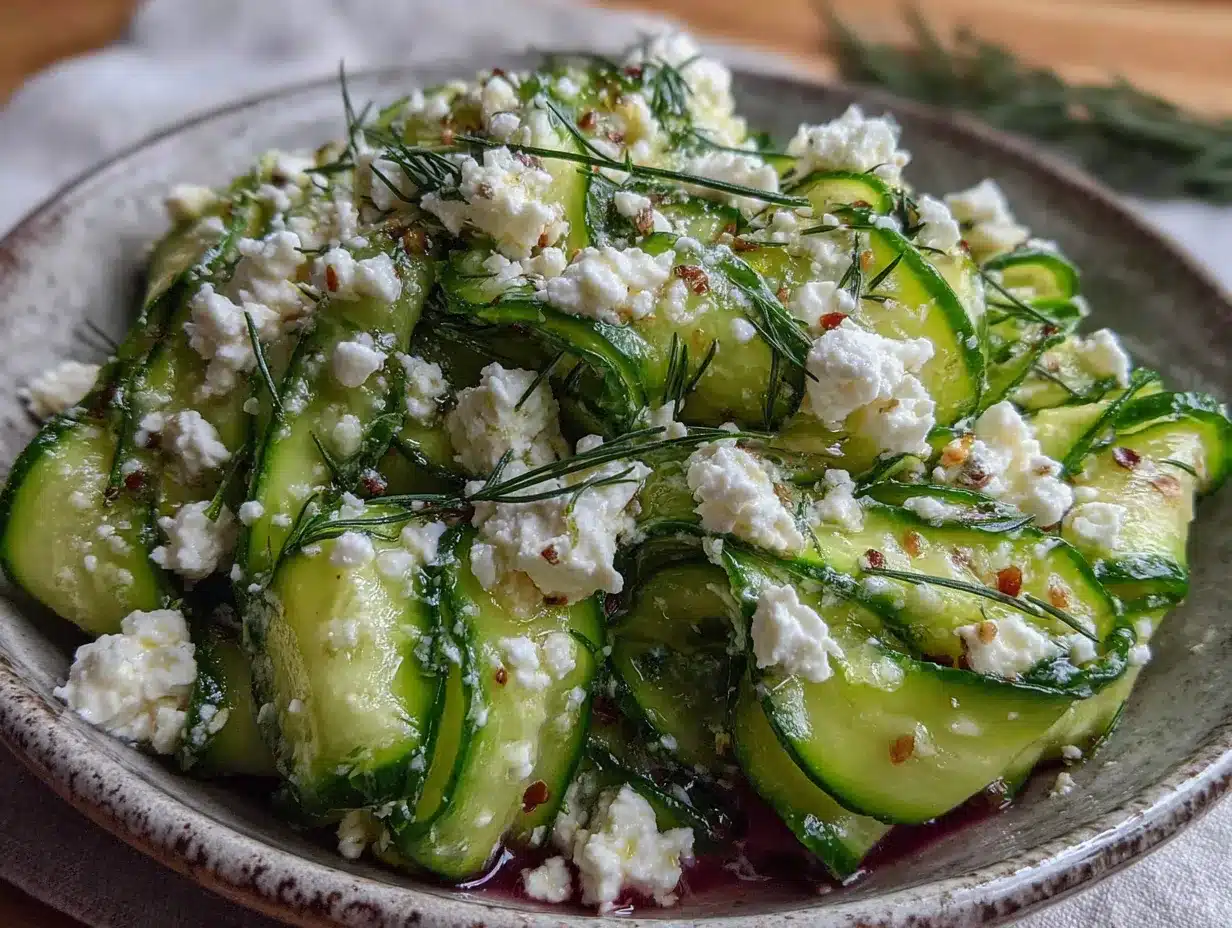
For plating, consider using a shallow bowl to show off the layers of green cucumber, white feta, and purple onion. Garnish with a few extra dill sprigs and a drizzle of olive oil on top. It’s visually appealing and invites people to dig in. Enjoy it as a side dish with grilled meats or as a light lunch on its own with some crusty bread.
What If I Don’t Have a Whisk?
You can use a fork or a small spoon. Just whisk vigorously until the oil and lemon juice are combined. It might take a bit longer, but it works. The goal is to create a temporary emulsion so the dressing doesn’t separate immediately.
Can I Use a Food Processor?
It’s not recommended for the cucumbers. A food processor will turn them into mush. Only use it if you want to make a dip, which is a different recipe. For this salad, manual slicing preserves the texture and integrity of the vegetable.
How Do I Know When the Salad is Ready?
The salad is ready when the cucumbers have softened slightly and the flavors have melded. They should still have some crunch, but not be raw and hard. The dressing should cling to the vegetables, not pool at the bottom of the bowl.
What Is the Best Way to Toss the Salad?
Use a gentle lifting motion rather than stirring. Lift from the bottom and turn over. This ensures that the heavier feta and onions don’t sink to the bottom and the lighter cucumbers don’t stay on top. Even distribution is key.
Should I Add Vinegar?
Lemon juice is preferred for its fresh flavor. However, if you prefer a sharper tang, you can add a splash of white wine vinegar or apple cider vinegar. Use it sparingly, as it can overpower the delicate dill flavor. Start with a teaspoon and adjust.
Cooking Tips & Techniques
I’ve made my fair share of mistakes in the kitchen, and this salad has taught me a few things. First, never underestimate the power of fresh herbs. Dried dill just doesn’t cut it here. It tastes like hay compared to the bright, citrusy punch of fresh dill. Buy it fresh, use it quickly, and don’t be shy with the amount. The more dill, the better.
Another common mistake is over-salting. Feta is already salty, so start with a small amount of salt in the dressing. Taste as you go. You can always add more, but you can’t take it out. If you’re sensitive to sodium, rinse the feta briefly under cold water before crumbling it to remove some of the brine.
Timing is everything. This salad is best served fresh. If you let it sit in the fridge for too long, the cucumbers will release water and the salad will become soupy. If you must prep ahead, keep the dressing and the cheese separate. Mix them in right before serving. This maintains the crispness and texture.
For consistency, use the same type of cucumber every time you make it. English cucumbers are my favorite because they are less watery and have a sweeter taste. If you switch to regular cucumbers, be prepared to adjust the salt and liquid content. Every vegetable is different, and learning to adapt is part of cooking.
Multitasking is key when hosting. You can slice the cucumbers and onions while you make the dressing. Then, let the salad rest while you finish other dishes. It’s a low-maintenance recipe that fits easily into a busy cooking schedule. Don’t stress about perfection. It’s a rustic salad, so slight imperfections add to its charm.
How Do I Fix a Runny Salad?
If the salad becomes too watery, drain the excess liquid before serving. You can also add a bit more feta or dill to absorb some of the moisture. In the future, salt the cucumbers in advance and drain them to prevent this issue.
What If the Dressing is Too Sour?
Add a small pinch of sugar or honey to balance the acidity. You can also add a bit more olive oil to mellow the flavor. Adjust slowly, tasting after each addition.
Can I Make This Salad Spicy?
Yes! Add a pinch of red pepper flakes or a sliced jalapeño for some heat. The spice pairs well with the cool cucumber and creamy feta. It adds a nice contrast for those who like a kick.
How Do I Store Leftovers?
Store leftovers in an airtight container in the refrigerator for up to 2 days. The flavors will continue to meld, but the texture will soften. It’s still good, just not as crisp. Do not freeze this salad, as the cucumbers will become mushy upon thawing.
What Is the Best Way to Serve It?
Serve it chilled or at room temperature. Room temperature allows the flavors to shine more. Pair it with grilled chicken, lamb, or fish. It also goes well with pita bread or crackers for a light snack.
Variations & Adaptations
One of the best things about this recipe is how adaptable it is. I’ve tried several variations, and each one offers a unique twist on the classic flavor profile. Here are a few ideas to customize the salad to your liking.
- Mediterranean Twist: Add chopped kalamata olives and cherry tomatoes. The olives add a briny depth, and the tomatoes add sweetness. This version is perfect for summer picnics.
- Herb Garden Salad: Swap some of the dill for mint or parsley. Mint adds a cool freshness that pairs beautifully with cucumber. This variation is great for spring.
- Protein-Packed: Add grilled chicken strips or chickpeas to make it a main course. The protein makes the salad more filling and satisfying for lunch.
- Spicy Kick: Add a sliced jalapeño or a dash of hot sauce to the dressing. This is for those who like a bit of heat in their cooling salads.
- Avocado Cream: Add diced avocado for extra creaminess. The healthy fats complement the feta and make the salad richer.
I once tried adding roasted red peppers to this salad, and it was surprisingly good. The smoky flavor of the peppers contrasted nicely with the fresh cucumber. It’s a variation I keep in mind for when I have leftover peppers in the fridge.
For dietary restrictions, this salad is naturally gluten-free and low-carb. If you are dairy-free, you can omit the feta and add some toasted almonds or walnuts for crunch. The dressing remains the same, and the salad is still delicious without the cheese.
Seasonal variations are also easy. In the winter, you might use less dill and add some grated carrot for color. In the summer, add more herbs and maybe some fresh basil. The base recipe is flexible enough to accommodate whatever is fresh in your garden or local market.
How Do I Make It Vegan?
Replace the feta with a vegan feta alternative or crumbled tofu marinated in lemon juice and herbs. The texture will be different, but the flavor profile can still work. Add some nutritional yeast for a cheesy taste.
Can I Use Yogurt Instead of Olive Oil?
You can make a yogurt-based dressing by mixing Greek yogurt with lemon juice and dill. This creates a lighter, tangier salad. It’s a great option for a lower-fat version.
What If I Don’t Like Feta?
Try using goat cheese or ricotta salata. Goat cheese is softer and tangier, while ricotta salata is firmer and milder. Both can work in this salad, though the flavor will change.
How Do I Add More Crunch?
Add sliced radishes or celery. Radishes add a peppery crunch, while celery adds a fresh, crisp texture. Both complement the cucumber well.
Can I Make It Sweeter?
Add a few slices of fresh peach or pear. The fruit adds sweetness and pairs well with the savory feta and dill. It’s a surprising but delicious combination.
Serving & Storage Suggestions
This salad is best served chilled, but not ice-cold. Let it sit out for 10 minutes after taking it out of the fridge to take the chill off. This allows the flavors to open up. Serve it in a wide, shallow bowl to showcase the colors. Garnish with extra dill and a drizzle of olive oil for a professional finish.
It pairs wonderfully with grilled meats, especially lamb or chicken. The acidity of the salad cuts through the richness of the meat. It’s also great with fish tacos or grilled shrimp. For a light lunch, serve it with warm pita bread and hummus.
For storage, keep the salad in an airtight container in the refrigerator. It will keep for up to 2 days. Stir it gently before serving to redistribute the dressing. If it looks dry, add a splash of lemon juice or olive oil to refresh it.
Do not freeze this salad. The cucumbers will become watery and lose their texture. If you have leftovers, consider using them in a smoothie or soup, though the texture will be different. It’s best enjoyed fresh.
The flavors develop over time, becoming more integrated and complex. However, the texture will soften. If you prefer a crisp salad, eat it within a few hours of making it. If you don’t mind a softer texture, it’s still good the next day.
What Drinks Pair Well With This Salad?
A crisp white wine, like a Sauvignon Blanc or Pinot Grigio, is a great pairing. For non-alcoholic options, try sparkling water with lemon or iced green tea. The refreshing nature of the drink complements the salad.
Can I Make This Ahead for a Party?
Yes, but keep the dressing and cheese separate until serving time. Prep the vegetables and store them in the fridge. Mix everything together 30 minutes before serving.
How Do I Reheat It?
Do not reheat this salad. It is meant to be eaten cold or at room temperature. Heating it will wilt the cucumbers and ruin the texture.
What Is the Best Way to Present It?
Use a colorful serving dish to contrast with the green and white ingredients. Add a sprinkle of paprika or red pepper flakes on top for a pop of color.
Can I Freeze the Dressing?
Yes, you can freeze the olive oil and lemon juice mixture. Thaw it at room temperature and whisk before using. The feta should not be frozen.
Nutritional Information & Benefits
This creamy feta dill cucumber salad is not only delicious but also nutritious. Cucumbers are low in calories and high in water content, making them hydrating and refreshing. They are also a good source of vitamin K and potassium.
Feta cheese provides protein and calcium, which are essential for bone health. It also adds a savory element that satisfies cravings without needing heavy sauces. The healthy fats from the olive oil support heart health and help absorb fat-soluble vitamins.
Dill is rich in antioxidants and has anti-inflammatory properties. It aids digestion and adds a bright flavor without adding calories. This salad is naturally gluten-free and low-carb, making it suitable for various dietary needs.
However, be mindful of the sodium content in feta cheese. If you are watching your salt intake, use less feta or rinse it before using. Overall, this salad is a healthy, balanced option that fits into a wholesome diet.
From a wellness perspective, I love this salad for its lightness. It doesn’t leave you feeling heavy or sluggish. It’s perfect for a post-workout meal or a summer lunch. The combination of fresh ingredients supports hydration and energy levels.
Is This Salad Keto-Friendly?
Yes, it is low in carbs and high in healthy fats, making it suitable for a ketogenic diet. Just ensure that the feta and olive oil are pure and free of added sugars.
How Many Calories Are in a Serving?
A typical serving has around 150-200 calories, depending on the amount of feta and oil used. It’s a low-calorie option that is still satisfying and flavorful.
Does It Contain Allergens?
It contains dairy from the feta cheese. It is gluten-free and nut-free. If you have a dairy allergy, use the vegan variations suggested earlier.
Is It Good for Digestion?
Yes, the cucumbers and dill aid digestion. The high water content helps keep you hydrated, which is also important for digestive health.
Can Diabetics Eat This?
Yes, it is low in sugar and carbs, making it a safe option for diabetics. Monitor the portion size of feta due to sodium content.
Conclusion
This creamy feta dill cucumber salad is a testament to the beauty of simple ingredients. It’s a recipe that started as a disaster but turned into a favorite. I hope you try it and find your own happy accidents in the kitchen. It’s easy, delicious, and perfect for any occasion.
Feel free to customize it with your favorite herbs or vegetables. Make it your own. I’d love to hear how you adapt it. Share your variations in the comments below. If you make this recipe, tag me on social media so I can see your creations.
Thank you for reading. I hope this recipe brings you joy and refreshment. Happy cooking!
FAQs
Can I use dried dill instead of fresh?
It’s not recommended. Fresh dill provides a bright, citrusy flavor that dried dill lacks. If you must use dried, use half the amount and add it to the dressing.
How long does this salad last in the fridge?
It lasts for up to 2 days. After that, the cucumbers will become too soft and watery.
Can I add other vegetables?
Yes, you can add tomatoes, olives, or radishes. Just be aware that some vegetables release more water than others.
Is feta cheese healthy?
Feta is a good source of protein and calcium, but it is also high in sodium. Enjoy it in moderation.
Can I make this salad spicy?
Yes, add red pepper flakes or jalapeños to the dressing for a spicy kick.
PrintCreamy Feta Dill Cucumber Salad
A refreshing, no-cook summer salad featuring crisp cucumbers, tangy feta cheese, and fresh dill in a bright lemon-olive oil dressing. Perfect for warm weather and busy weeknights.
- Prep Time: 15 minutes
- Cook Time: 0 minutes
- Total Time: 15 minutes
- Yield: 4 servings
- Category: Side Dish
- Cuisine: Greek
Ingredients
- English or Persian cucumbers (firm, bright green)
- Block of feta cheese (brined in whey)
- Fresh dill (feathery tops)
- Extra virgin olive oil (robust, fruity)
- Fresh lemon juice
- Red onion (thinly sliced)
- Fresh garlic (minced or grated)
- Kosher salt
- Freshly cracked black pepper
- Lemon zest (optional)
Instructions
- Wash cucumbers thoroughly. If using regular cucumbers, peel them; if using English or Persian, leave skin on. Pat dry.
- Slice cucumbers into half-moon shapes or thin rounds (approx. 1/8 inch thick) and place in a large bowl.
- Peel and thinly slice red onion, aiming for translucent slices, and add to the bowl with cucumbers.
- In a small bowl, whisk together olive oil, lemon juice, minced garlic, lemon zest (if using), salt, and black pepper until emulsified.
- Pour the dressing over the cucumbers and onions. Toss gently to coat evenly without crushing the vegetables.
- Let the mixture sit for 5-10 minutes to allow flavors to meld and cucumbers to soften slightly.
- Crumble feta cheese into bite-sized chunks and tear fresh dill leaves if sprigs are large.
- Add feta and dill to the salad and toss one more time to distribute evenly.
- Serve immediately chilled or at room temperature. Garnish with extra dill and a drizzle of olive oil.
Notes
[‘To prevent sogginess, salt cucumbers lightly and drain excess liquid after 10 minutes before adding other ingredients.’, ‘Use block feta rather than pre-crumbled for better texture and flavor.’, ‘If the dressing is too sour, add a pinch of sugar or honey.’, ‘Do not freeze this salad as cucumbers will become mushy upon thawing.’, ‘Store leftovers in an airtight container in the refrigerator for up to 2 days.’]
Nutrition
- Serving Size: 1 bowl
- Calories: 175
- Sugar: 4
- Sodium: 350
- Fat: 14
- Saturated Fat: 5
- Carbohydrates: 8
- Fiber: 1
- Protein: 6
Keywords: cucumber salad, feta salad, dill salad, no-cook recipe, summer salad, gluten-free, keto-friendly, healthy side dish, creamy salad